18 Wellness Influencer Trends That Could Literally Kill You (Or Someone You Love)
The wellness industry is worth trillions, yet every day millions of people in the US, UK, and beyond scroll past glamorous influencers sharing “life-changing” health hacks that look harmless — until someone ends up in the ER or worse.
What follows is a hard-hitting look at 18 of the most dangerous wellness and viral challenge trends still circulating on TikTok, Instagram, and YouTube in 2025.
Medical experts, the FDA, CDC, and heartbreaking real-world cases all confirm the same thing: these trends have already cost lives.
1. (MMS) –Dangerous “Cure-All”
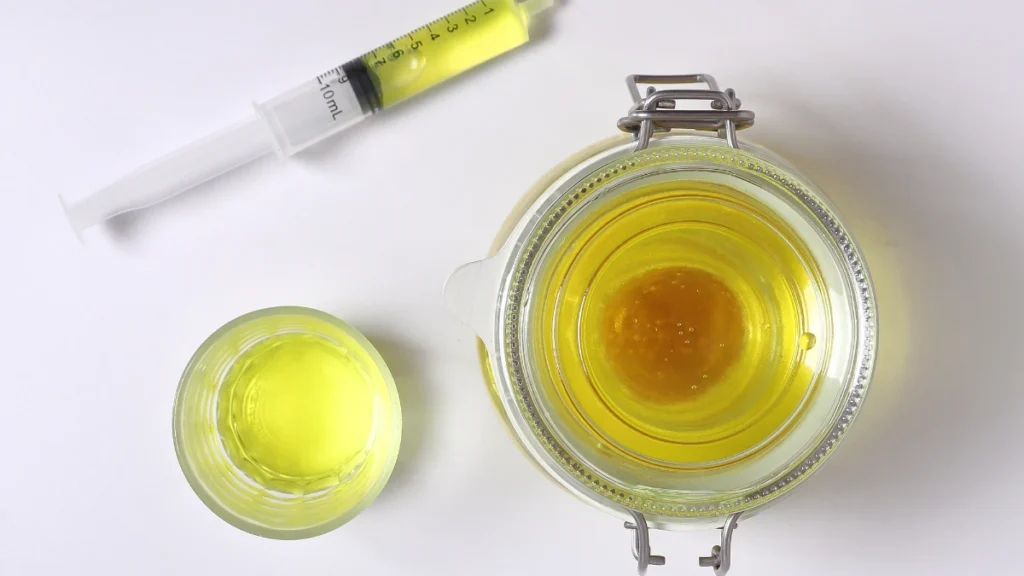
The so-called Miracle Mineral Solution is one of the most frightening examples of wellness misinformation in recent years. Marketed in hidden groups and fringe corners of the internet, MMS is falsely promoted as a cure for everything from autism to COVID-19.
In reality, it is nothing more than chlorine dioxide, an industrial bleaching agent used for disinfecting water systems and bleaching textiles.
Medical authorities, including the FDA, have issued urgent warnings because consuming this chemical can cause severe vomiting, dangerously low blood pressure, acute liver failure, and in extreme cases, death.
Calling this a health product is deceptive—drinking it is essentially the same as ingesting bleach, and it represents one of the deadliest pieces of influencer advice circulating online.
2.Borax Drinks – Household Cleaner, Not Detox
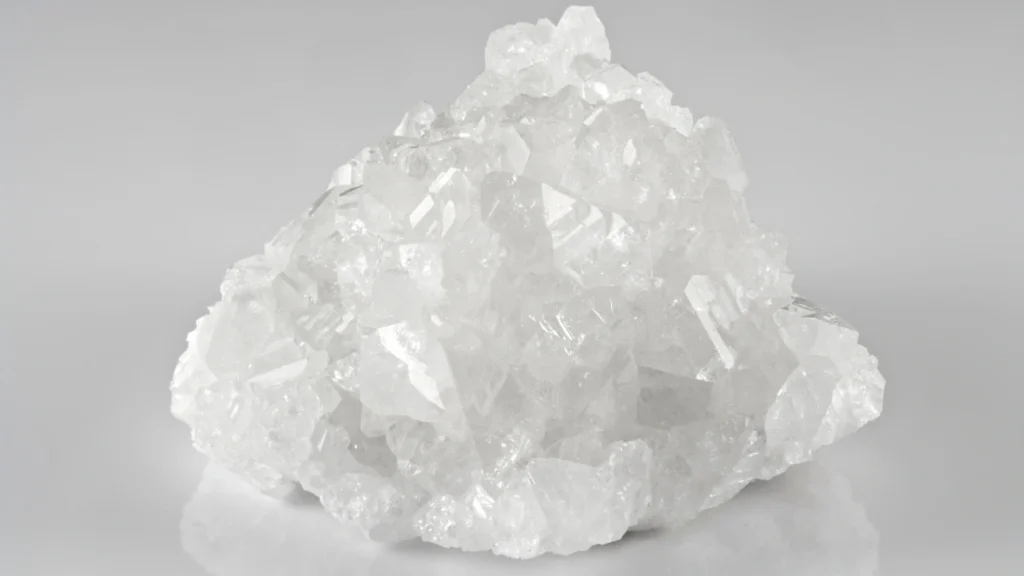
A shocking number of videos on TikTok glamorize the idea of mixing borax into drinks as part of a “detox routine,” encouraging viewers to treat a household cleaning chemical as if it were a health supplement. This misinformation has sent people to emergency rooms in both the USA and the UK.
Borax is not a wellness tool—it is a toxic compound designed for cleaning, and ingesting it can cause poisoning, severe digestive damage, and long-term organ injury.
The trend shows how easily misinformation spreads when content creators promote dangerous shortcuts without understanding the life-threatening consequences.
3. Oxygen Deprivation Risks
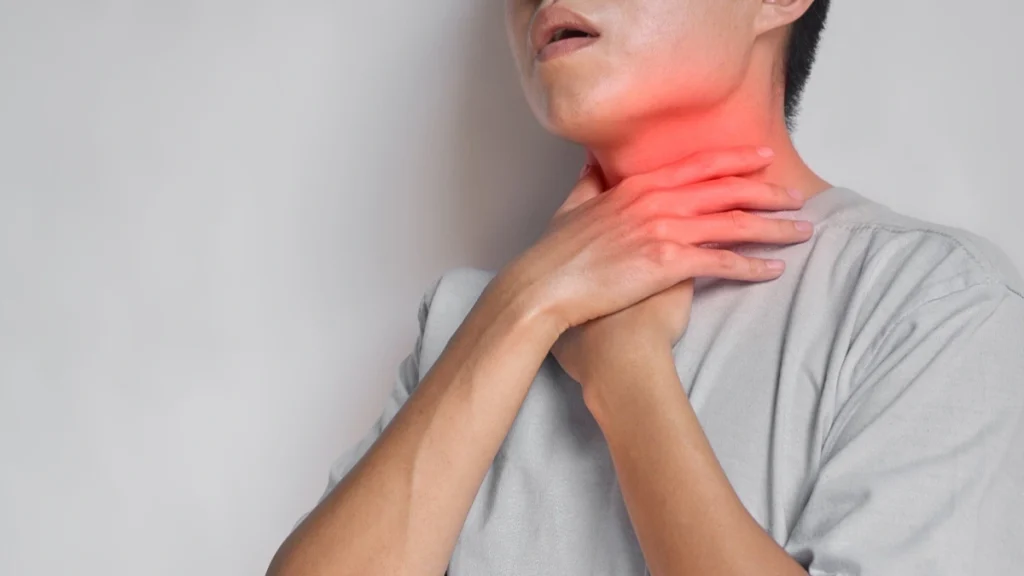
This disturbing trend is circulated as a game, especially among teenagers, but the consequences are catastrophic. The challenge involves restricting oxygen to achieve a temporary sensation of euphoria.
Medical experts explain that the “high” is caused by cerebral hypoxia—a drop in oxygen levels that begins to kill brain cells. Even brief oxygen deprivation can trigger brain damage, seizures, coma, or sudden death, and several young people in Western countries have already died attempting this challenge.
It is not a game, and it is one of the most lethal trends circulating on social platforms today.
4.Hallucinations Can Kill
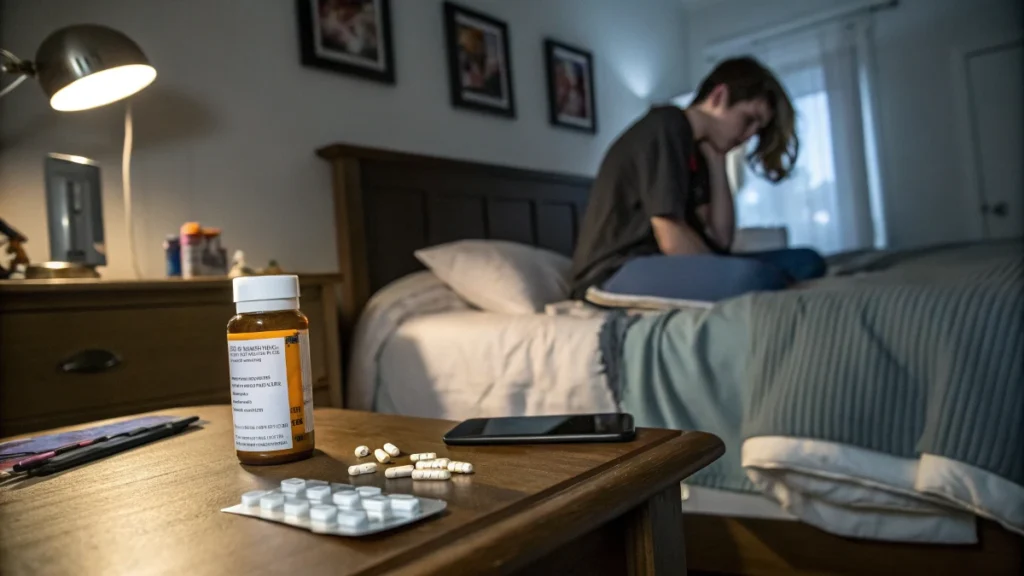
The Benadryl Challenge encourages young people to take dangerous quantities of diphenhydramine in order to experience hallucinations, treating deliberate overdose like entertainment.
In both the United States and the United Kingdom, health authorities have had to issue public warnings after teenagers were hospitalized. Overdosing on antihistamines can lead to heart complications, seizures, delirium, coma, or death.
Poison control centers have documented fatalities linked directly to this trend, making it one of the most disturbing viral challenges of recent years.
5. Heart & Choking Danger
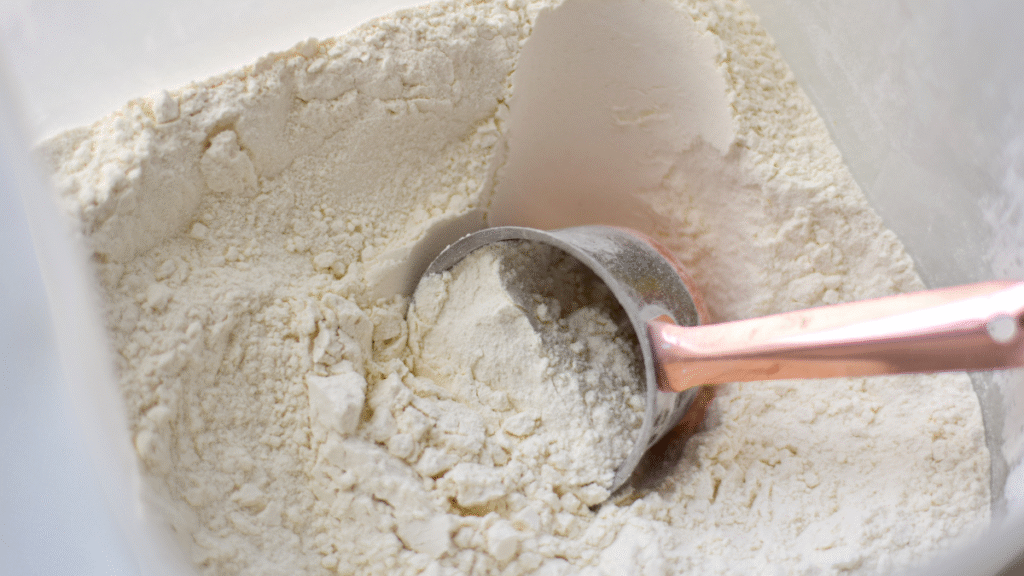
Dry scooping became a popular fitness trend, fueled by influencers who claimed it delivers faster, more intense energy before exercise.
In reality, consuming concentrated pre-workout powder without water can cause choking, chemical irritation, and sudden spikes in heart rate. Several young adults have experienced heart attacks after attempting this trend.
What seems like a harmless shortcut is, in reality, a dangerous gimmick that can cause severe cardiac problems.
6. Life-Threatening Starvation(30–40 Days)
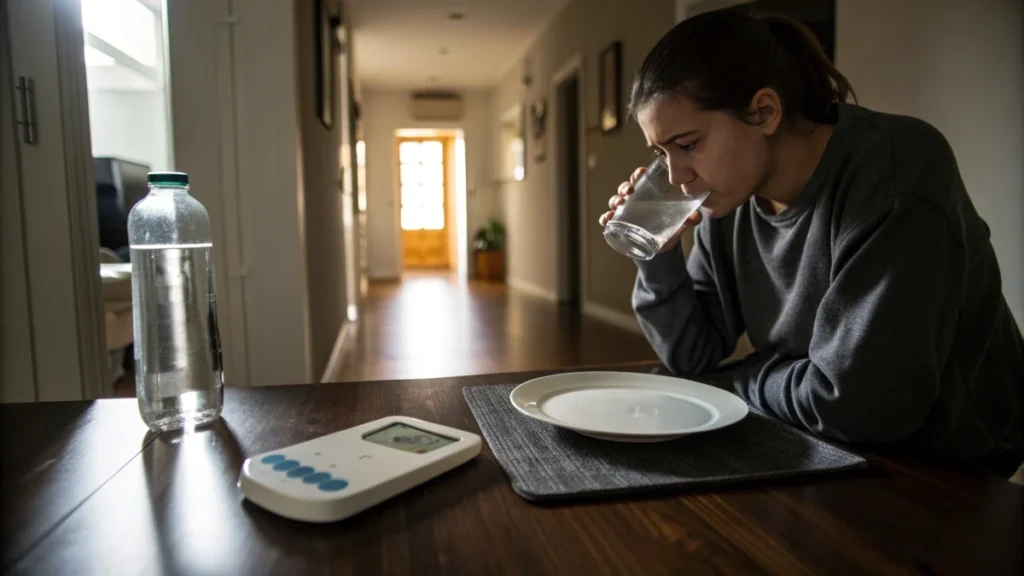
Fasting is a legitimate practice when done safely, but influencers who promote prolonged water-only fasts lasting weeks or even forty days ignore every basic medical guideline.
Extended fasting without supervision can cause severe electrolyte imbalances, dehydration, organ stress, hormonal disruption, and life-threatening heart rhythm abnormalities.
The body cannot function normally without essential nutrients, and attempting extreme fasts because an influencer claimed it “resets” the body can lead to serious medical emergencies.
7.Skin Cancer Risk
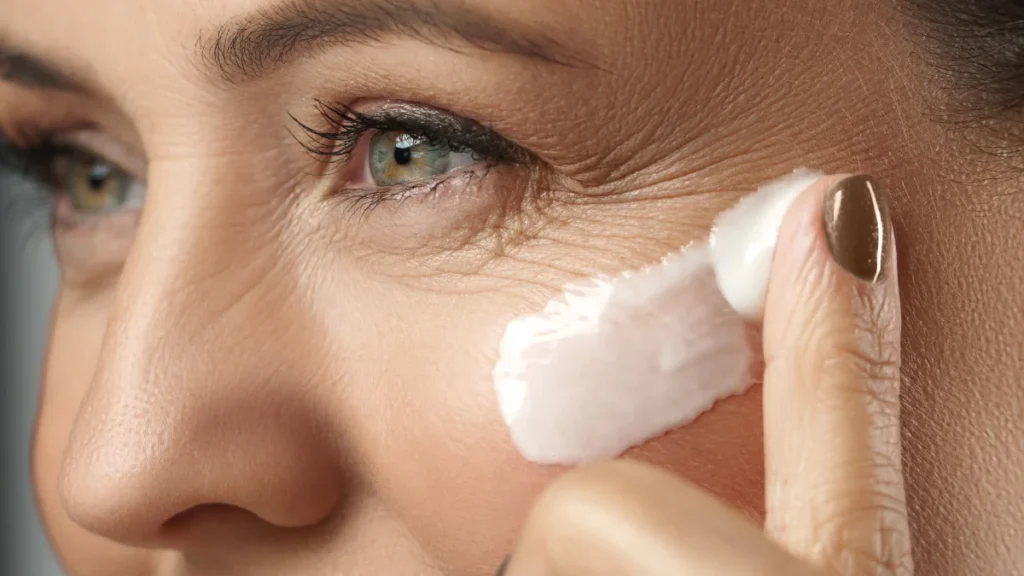
A growing number of wellness influencers insist sunscreen is “toxic,” claiming that natural sunlight is harmless and tanning is healthy.
Dermatologists across the USA and UK warn that these statements are completely false. A tan is not a sign of health—it is your skin reacting to DNA damage. Avoiding sunscreen dramatically increases the risk of skin cancer, including melanoma, which can be fatal.
Spreading misinformation that encourages people to skip sunscreen has deadly consequences, especially among young audiences who are influenced by viral trends.
8. Sudden Death Risk
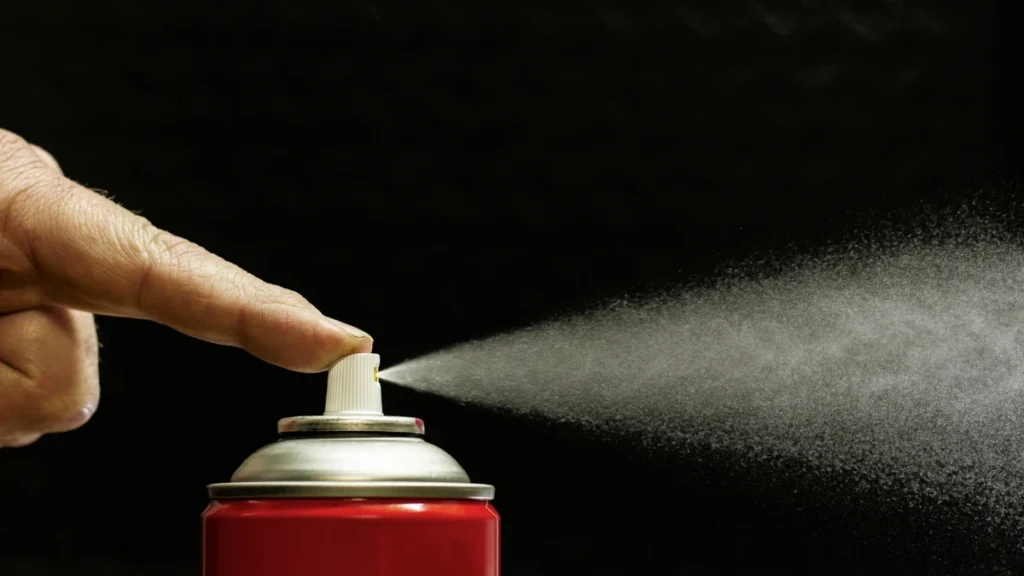
This dangerous challenge involves inhaling propellants from aerosol cans to achieve a temporary high. The chemicals displace oxygen in the bloodstream, causing suffocation from the inside.
Inhalant abuse can trigger Sudden Sniffing Death Syndrome, where the heart stops instantly, even on the first attempt. It can also cause irreversible brain, liver, and kidney damage. Despite the lethal risks, the trend continues to resurface online, putting young people at serious risk.
9.Nutmeg Challenge – Toxic Overconsumption
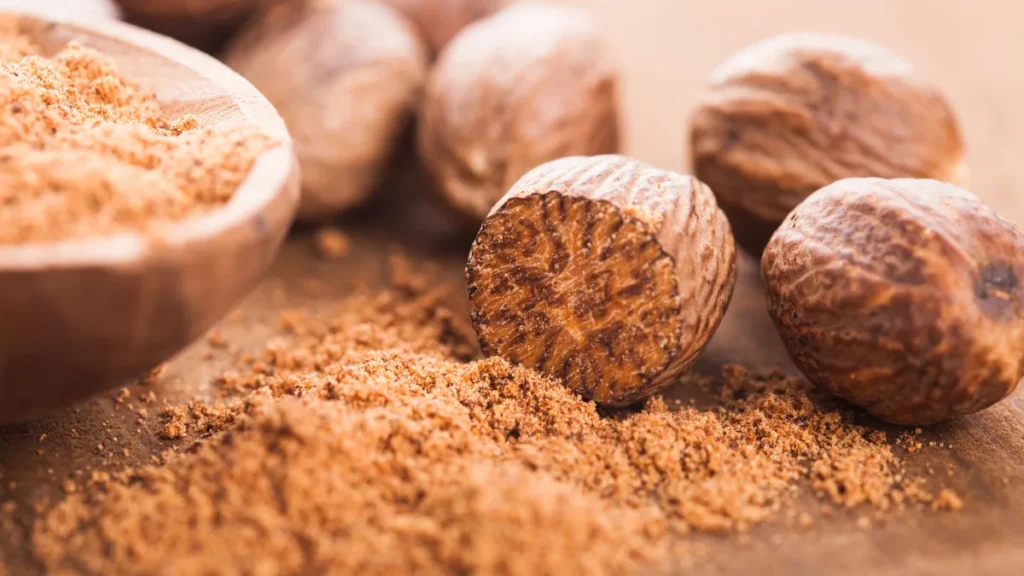
Every few years, the nutmeg challenge returns as people attempt to consume large amounts of nutmeg for its hallucinogenic effects.
Myristicin, the compound responsible, becomes toxic in high doses, leading to extreme nausea, rapid heartbeat, anxiety, hallucinations, and in severe cases, organ failure.
Cooking doses are safe, but consuming spoonfuls is poisoning yourself, and many emergency departments have treated teenagers who learned this trend from social media.
10. Coffee Enemas – No Detox, High Risk
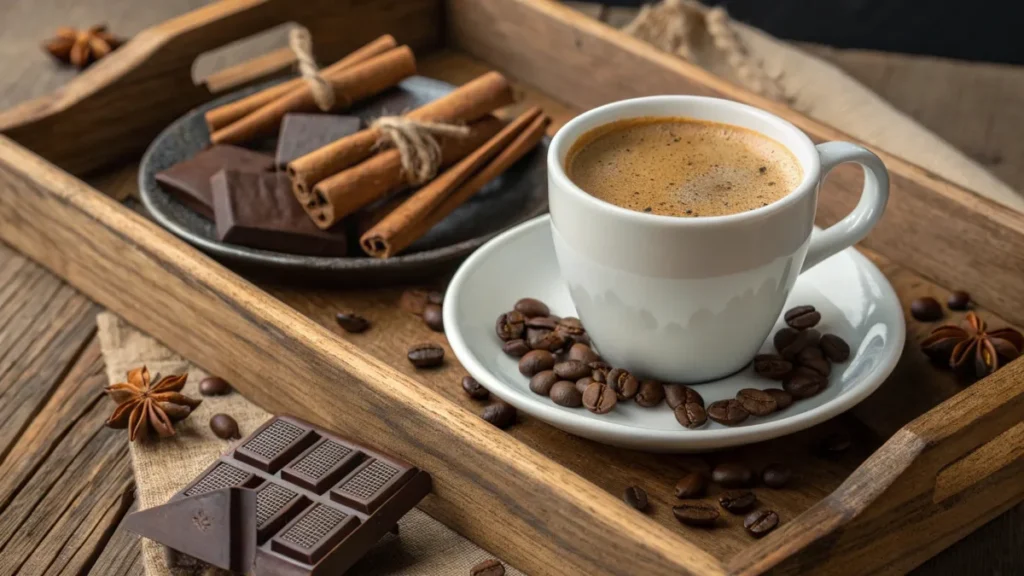
Promoted heavily by celebrity-backed wellness spaces, coffee enemas are marketed as a way to “cleanse” the liver.
This practice has no scientific basis and carries significant risks, including infections, rectal burns, electrolyte imbalances, and in some cases, fatal complications.
The body detoxifies itself naturally, and attempting to force toxins out through such methods can do far more harm than good.
11. Raw Organ Diets – Infection & Steroid Deception
The Liver King built a multimillion-dollar brand by telling people that his extreme physique came from eating raw liver and living an “ancestral” lifestyle.
However, he was later exposed for spending more than $11,000 per month on steroids, leading to a massive lawsuit for misleading consumers.
Promoting raw organ consumption is extremely dangerous, as uncooked meat carries a high risk of contamination from bacteria such as Salmonella and E. coli, causing severe illness and hospitalization.
12. Belle Gibson Fake Cancer Cure – Dangerous Misinformation
Belle Gibson became a global wellness icon by falsely claiming she cured her terminal brain cancer through holistic dieting alone. Her story inspired countless vulnerable cancer patients—many of whom abandoned medical treatment because they believed her claims.
After investigations revealed she never had cancer at all, her empire collapsed, but the damage was already done. This case remains one of the most disturbing examples of influencer deception leading directly to the loss of human life.
13. Unqualified Mental Health Advice – Risk of Relapse & Harm
Many online creators brand themselves as mental health experts despite having no professional training. They diagnose complex psychiatric disorders in one-minute videos and often encourage followers to stop taking prescribed medications.
Abruptly quitting antidepressants or antipsychotics can cause severe withdrawal, relapse, suicidal thoughts, and life-threatening psychological instability. Mental health treatment must be guided by qualified professionals, not viral personalities seeking views.
14. Promoting Unnecessary Medical Tests – Stress & Financial Harm
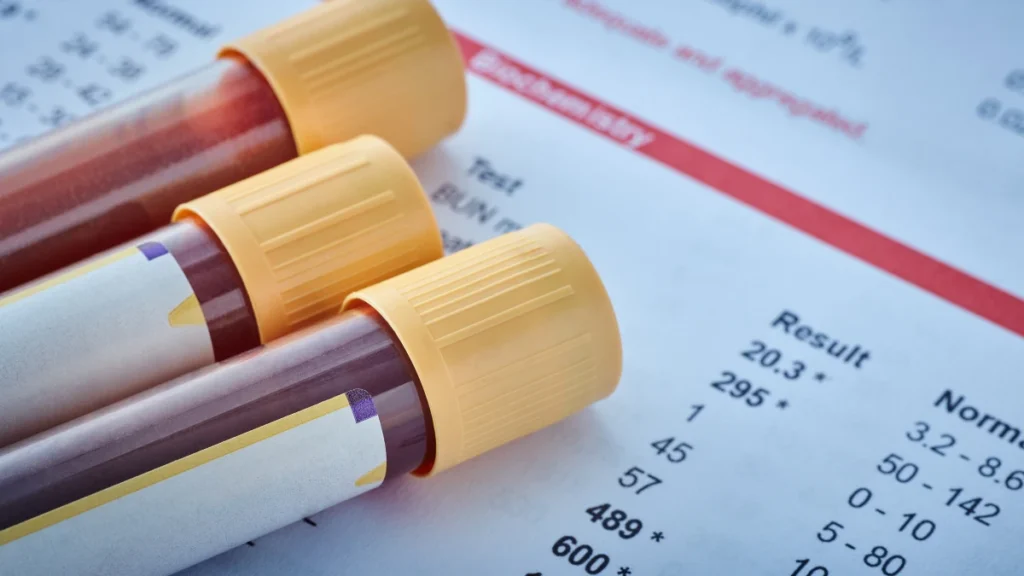
Influencers who advertise full-body MRIs or elaborate fertility tests often claim they help people take control of their health.
However, research shows these promotions overstate benefits while ignoring risks. Healthy individuals who undergo unnecessary scans can experience false alarms, unneeded surgeries, emotional stress, and enormous financial burdens.
Many influencers receive commissions for pushing these tests, turning medical anxiety into a business model
15.Homemade Baby Formula – Malnutrition & Infection
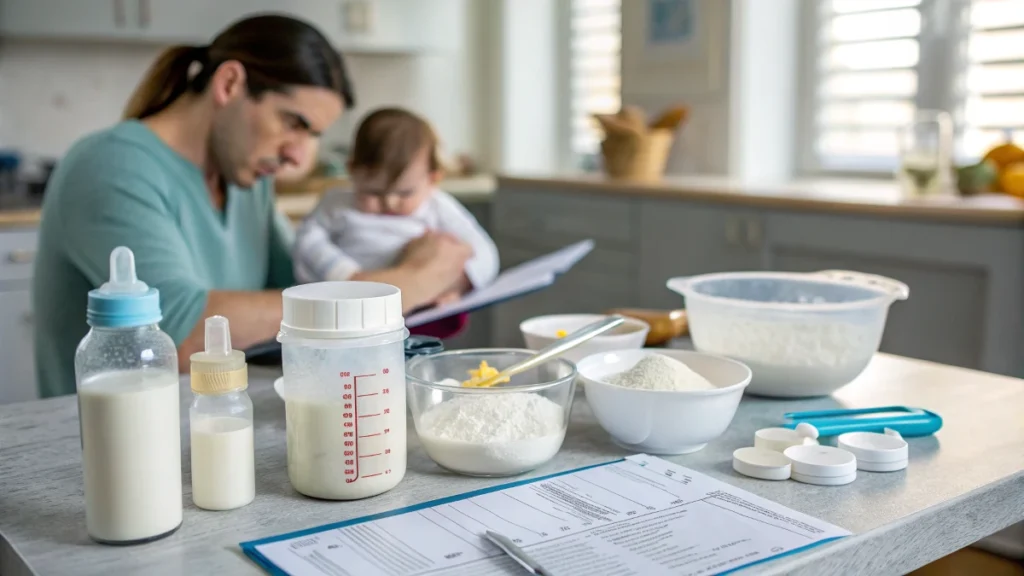
During formula shortages, influencers began promoting homemade recipes using raw milk, sweeteners, and kitchen ingredients.
The American Academy of Pediatrics has warned repeatedly that these substitutes are dangerous. Infant formula is scientifically engineered to meet a baby’s nutritional needs, and homemade alternatives can cause severe malnutrition, electrolyte imbalances, and bacterial infections.
Babies in both the USA and UK have been hospitalized after consuming these influencer-recommended mixtures.
16. Laxative/Detox Tea Abuse – Dehydration & Organ Stress
Disguised under names like “detox teas” or “cleansing drinks,” many influencers encourage laxative use as a weight-loss shortcut.
This practice is a form of disordered eating and does not eliminate calories from the body. Instead, it drains water and electrolytes, causing dehydration, hormonal imbalance, organ stress, and in extreme cases, heart failure.
What is marketed as a “cleanse” is actually a dangerous and addictive behavior.
17. Untreated “Raw Water” – Risk of Deadly Pathogens
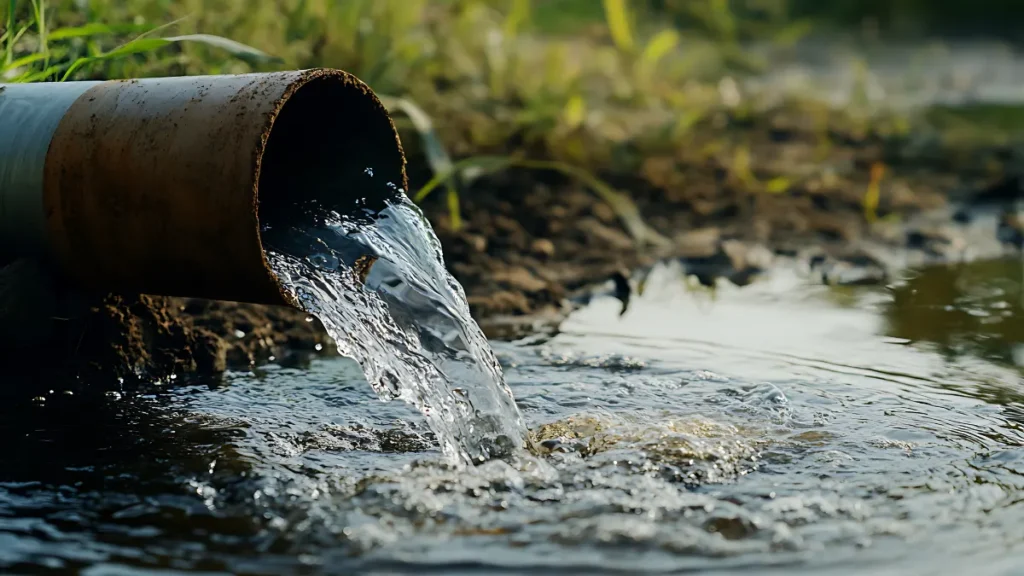
Some influencers insist that untreated, unfiltered spring water is healthier than tap water, claiming it contains beneficial minerals and probiotics.
In reality, “raw water” can contain deadly pathogens, including E. coli, Giardia, and even Cholera. Drinking untreated water is one of the oldest causes of widespread disease and remains extremely dangerous.
Modern water treatment systems in the USA and UK exist specifically to protect people from these infections.
18. Mouth Taping for Sleep – Dangerous for Undiagnosed Conditions
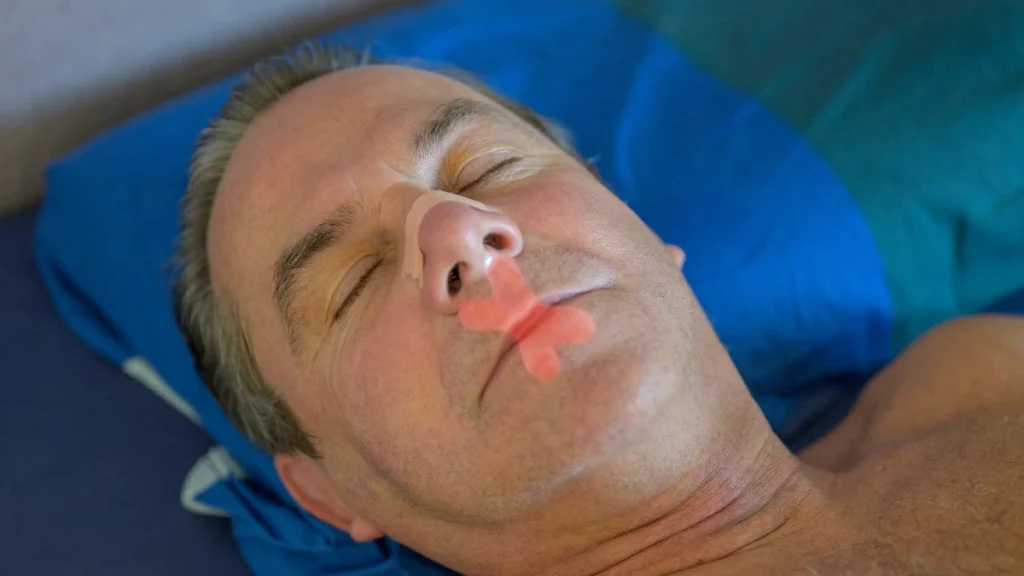
Videos showing people taping their mouths before bed have gone viral as a supposed solution for snoring and poor sleep.
While nose breathing has benefits, forcing the mouth closed can be hazardous for millions of people with undiagnosed sleep apnea or nasal obstructions. Mouth taping can reduce oxygen levels, place strain on the heart, and worsen existing breathing problems.
A trend that appears harmless can become dangerous when misapplied to the wrong person.
Conclusion
From ingesting bleach disguised as a cure-all to following fraudulent cancer “success stories,” the online wellness world is filled with misinformation that can cost you your health—or your life.
These eighteen dangerous trends reveal how easily unqualified influencers can gain trust while spreading advice that is untested, unsafe, and sometimes deadly. Before attempting any health trend promoted on social media, pause and verify the source.
Check credible institutions such as the CDC, FDA, NHS, or peer-reviewed medical journals. Wellness is not a shortcut, and your health is never worth risking for a viral hack. Critical thinking is your most powerful protection against misinformation online.