“I Cold Plunged Every Morning for 30 Days – And Almost Quit on Day 3
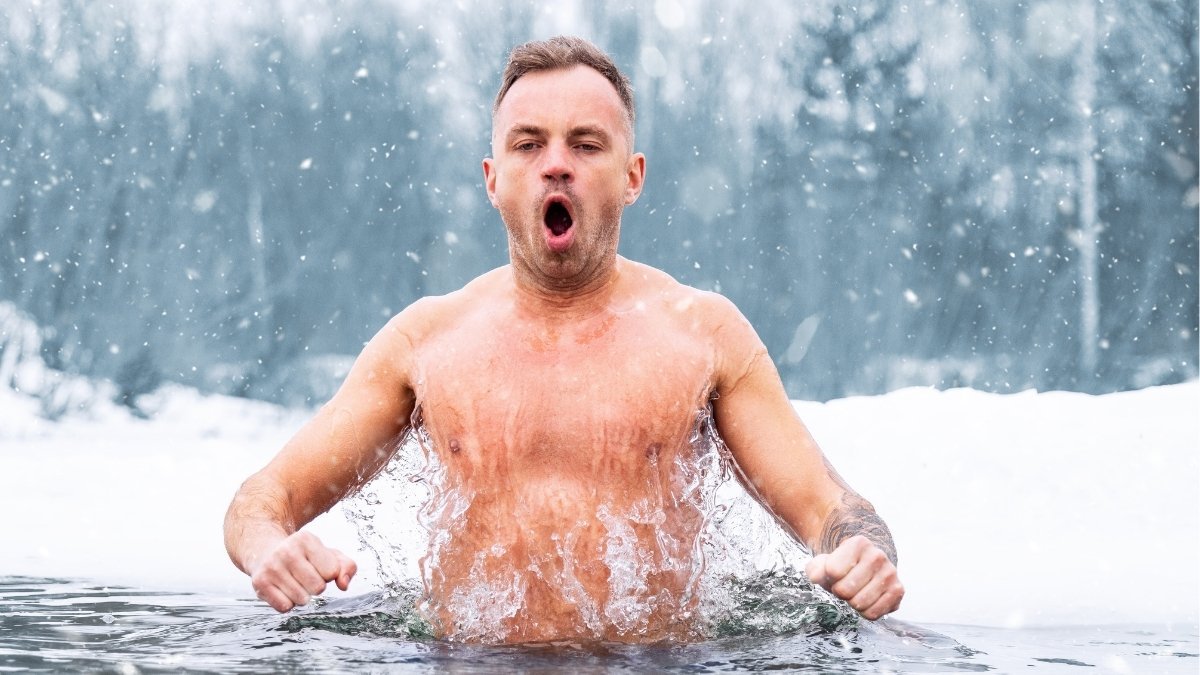
At 6:47 AM on Day 3, I stood beside my ice bath and genuinely considered quitting. The towel in my hand felt heavier than usual, almost symbolic of the mental weight pressing on me.
Many people abandon their cold plunge routine by the end of the first week, not because they lack discipline, but because the psychological impact hits harder than expected.
I decided to track every detail for 30 days—temperature, duration, energy levels, mental state, and even the moments when doubt nearly won.
I wanted real data, not hype, to understand whether cold plunging delivers genuine benefits or simply survives on viral reputation.
What I discovered shocked me. Day 3 wasn’t the point of failure—it was the point where the real transformation began.
1. The Science Behind Cold Plunging
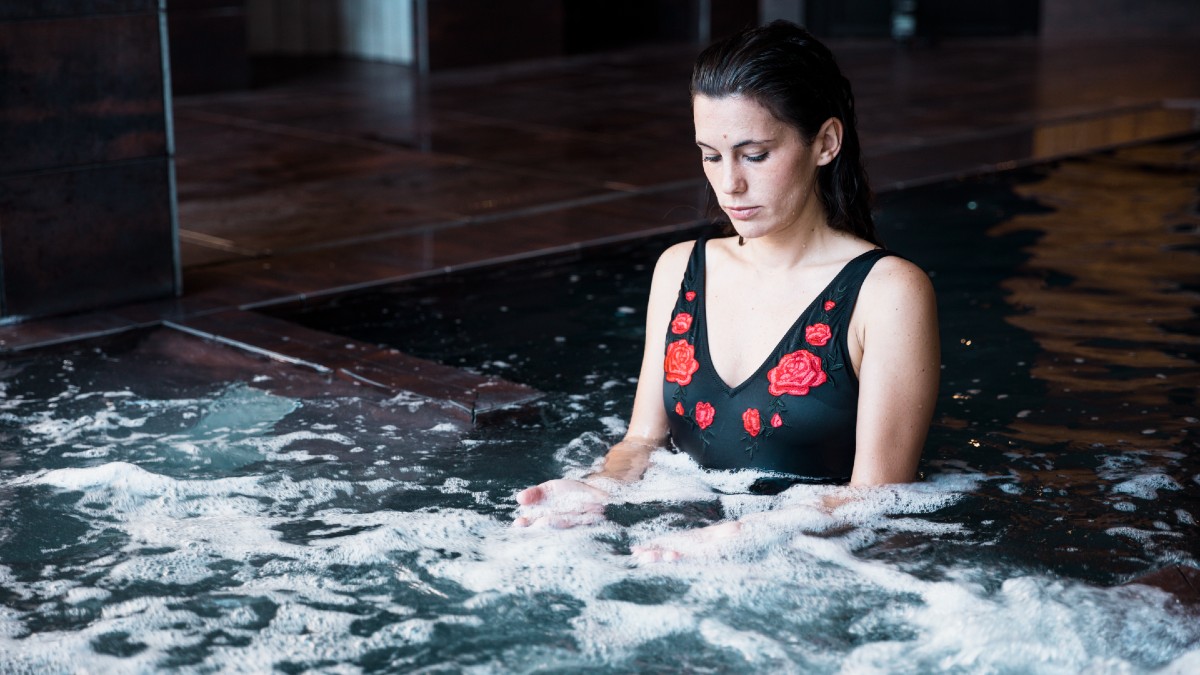
Before I stepped into the routine, I dove into the newest 2025 research on cold exposure.
Recent results from the University of Ottawa showed that people immersed in 57°F water for an hour each day over a week experienced measurable improvements in cellular resilience.
Their cells became better at clearing waste, repairing damage, and adapting to stress, indicating that cold exposure activates deeper biological processes than most wellness trends promise.
Stanford researchers uncovered something equally fascinating. Participants who sat in 60°F water for about an hour experienced a dramatic 250% rise in dopamine levels.
Considering most antidepressants aim for a modest 20–30% boost, the idea that cold water could naturally trigger such an increase felt both impressive and slightly unbelievable.
Yet, the data held up.
The Mayo Clinic further supported these findings. Their review confirmed significant reductions in inflammation, quicker muscle recovery, and improved post-exercise performance.
Combined with research showing increases in endorphins, norepinephrine, and mental clarity, I felt confident that this experiment was grounded in evidence, not hype.
2.My Temperature & Timing Plan
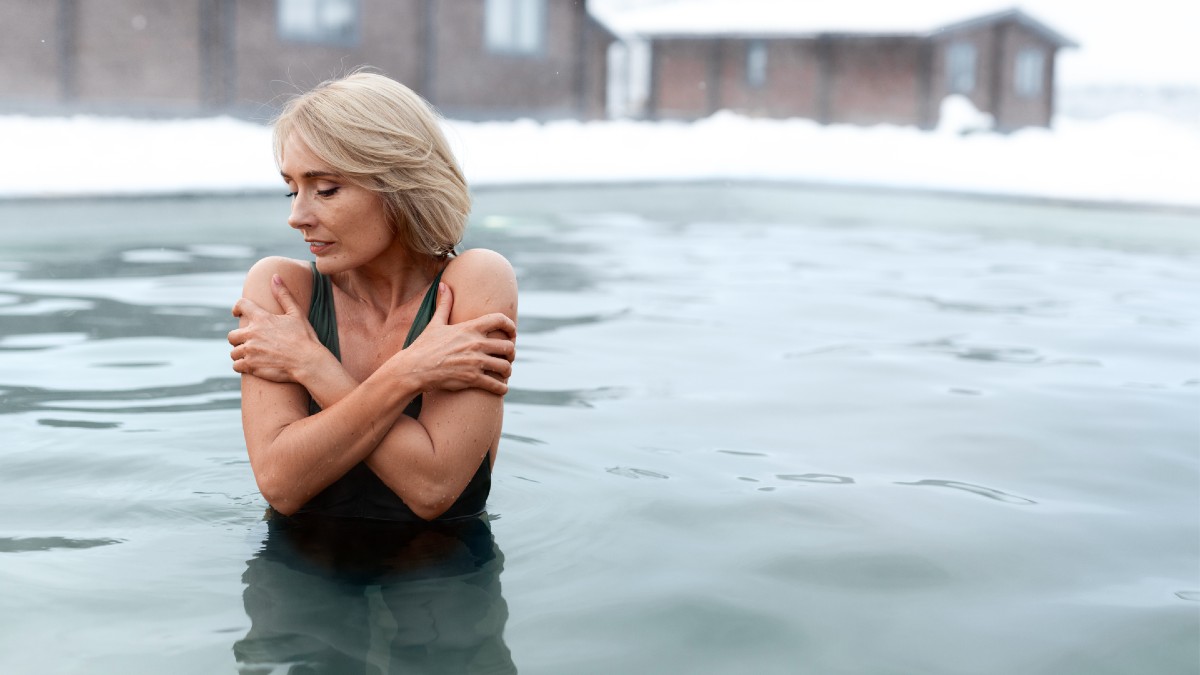
Setting the right temperature mattered more than I expected. I started at 60°F, which felt brutal but manageable. Experts recommend beginning between 55–60°F, and that advice proved correct.
Going colder too soon can trigger panic, shallow breathing, or even dangerous physiological responses. By starting conservatively, I gave my body time to adapt.
I structured my routine around weekly progression—shorter sessions in warmer water during Week 1, then gradually lowering the temperature and extending the duration as the experiment continued.
By Weeks 3 and 4, I reached 50°F for 4–5 minutes, which became challenging but sustainable.
The magic number seemed to be around eleven minutes per week, a benchmark supported by newer cold exposure research emphasizing consistency rather than extremity.
Timing played a major role as well. I plunged every morning between 6:30 and 7:00 AM. Morning immersion delivered sharper focus, improved alertness, and a sense of completion before the day even began.
Cold exposure late in the evening disrupted sleep, so sticking to early hours became non-negotiable.
3. Days 1–2: The Initial High
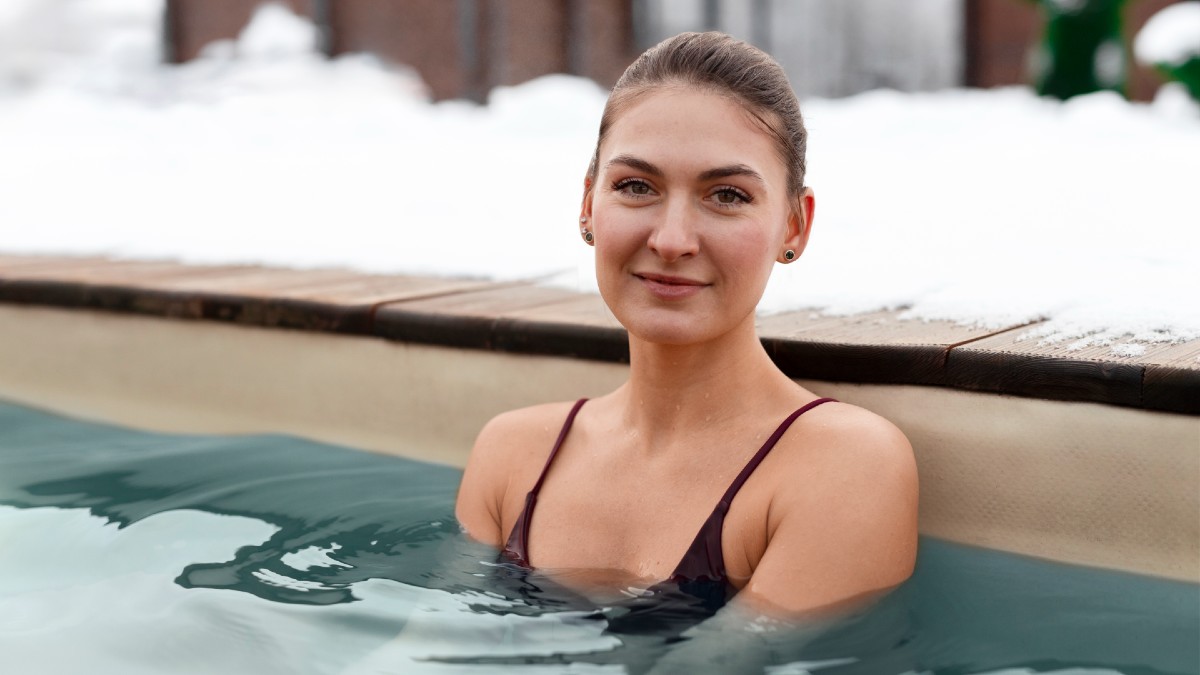
The first day felt electric. Even though the water shocked my system instantly, the mental high afterward was unforgettable.
My heart rate surged, my breathing quickened, and yet, when I stepped out, I felt more awake and confident than I had in months.
The clarity lasted for hours. Cold exposure floods the nervous system with chemicals it rarely releases under normal circumstances, and I could feel those effects almost immediately.
On Day 2, the shock softened slightly because I knew what awaited me. The water was still painfully cold, but the experience felt more familiar.
The first thirty seconds were rough and brought the usual wave of panic, but once my breathing steadied, I entered a strange, calm rhythm.
That mixture of mental challenge and sudden clarity became addictive fast.The early results were encouraging.
My energy remained elevated throughout the day, my sleep improved on both nights, and I felt a renewed sense of discipline.
The excitement of starting something new made the first two days feel effortless, almost enjoyable.
4. Day 3: The Breaking Point
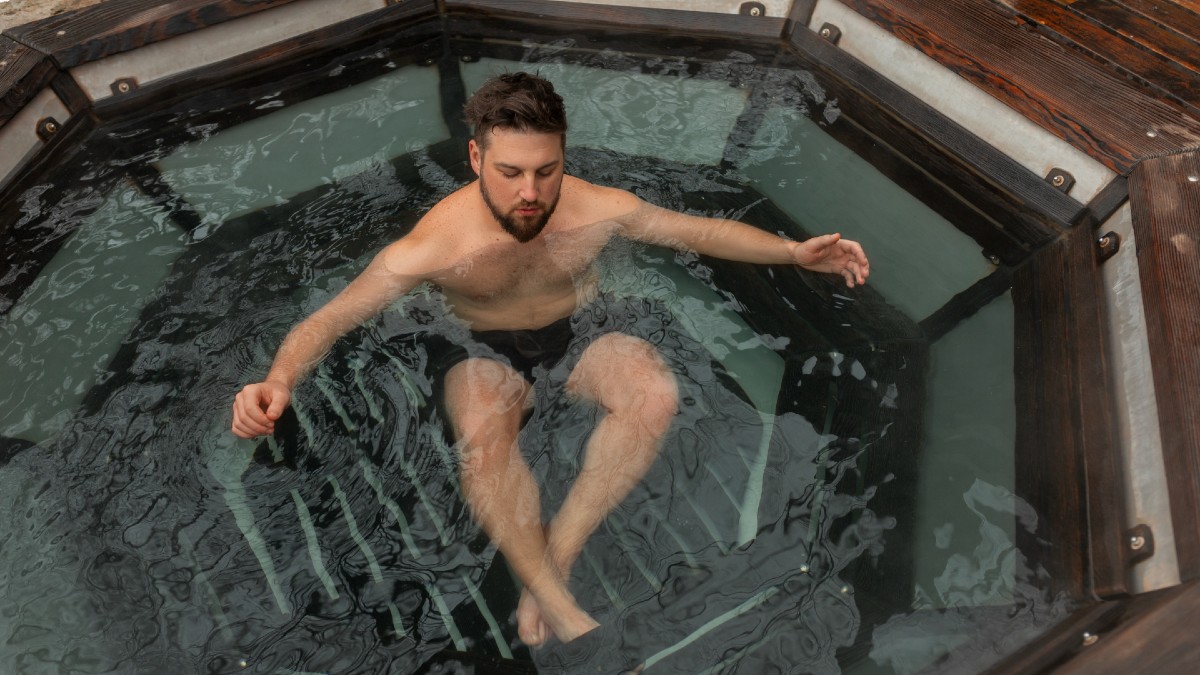
Everything shifted dramatically on Day 3. The excitement vanished, replaced by resistance. Standing over the ice bath, I felt an intense psychological barrier telling me to skip the session.
My mind produced every excuse possible—from cold coffee to lack of time—none of which were valid. This mental wall felt heavier than the cold itself.
Dr. Andrew Huberman refers to this as “the wall,” a moment when the brain sends adrenaline-powered messages insisting you stop.
These signals feel urgent and logical, even though they’re just part of the adaptation process. When I finally stepped in, the cold hit deeper than before.
I panicked and climbed out after ninety seconds, frustrated and convinced I was regressing.
After regrouping, I forced myself to try again, this time using breathing strategies and hand-warming techniques inspired by cold exposure practitioners. Slowly, I regained control and finished the full two minutes.
Walking back inside, I realized the truth: Day 3 doesn’t mark failure. It marks the moment when cold plunging becomes real work.
5. Week 1 Survival Tips
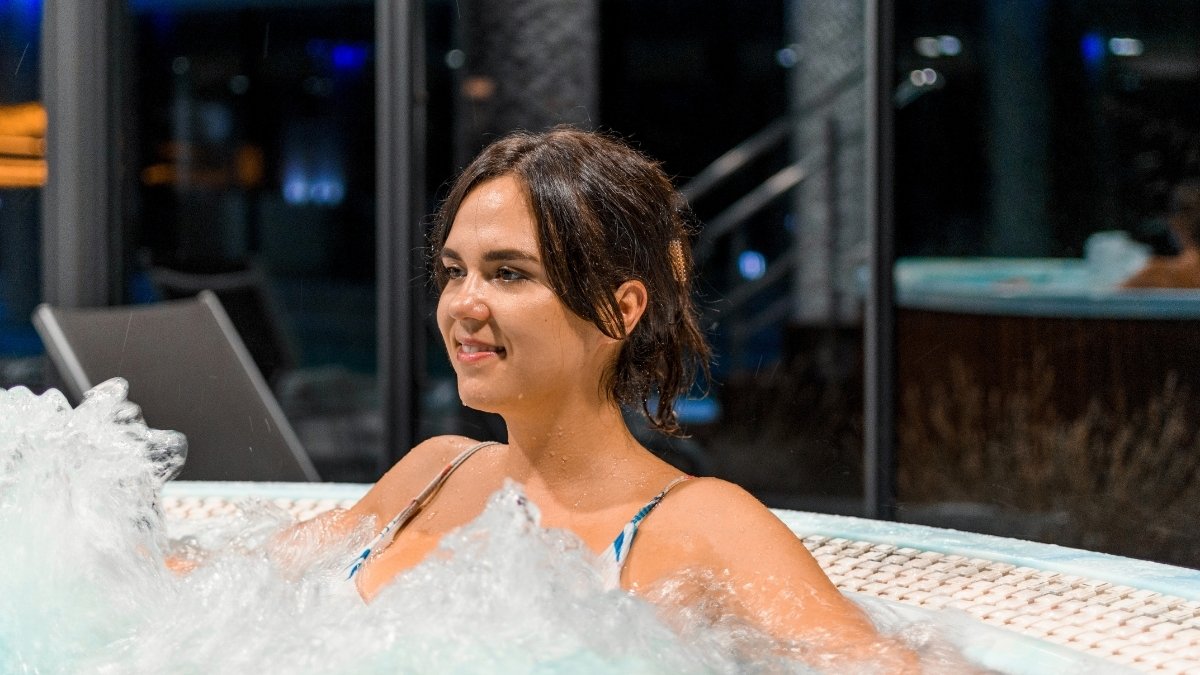
The first week tested me in ways I didn’t expect. I learned that breath control was the single most effective strategy for staying calm during the first thirty to sixty seconds.
Slow inhales and longer exhales triggered my parasympathetic nervous system and helped shift my body out of panic mode.
Even counting each breath became a grounding technique that made the cold more tolerable.
Breaking the session into micro-goals proved equally helpful.
Instead of committing to three or four minutes, I focused on surviving thirty seconds at a time. Each interval felt achievable, and those small victories stacked up quickly.
This approach tricked my brain into compliance and prevented me from feeling overwhelmed.
Another game-changer was accountability.
I texted a friend every morning after each plunge. Knowing someone was waiting for my message kept me consistent. Week 1 wasn’t about feeling good—it was about refusing to quit.
6. Week 2: Real Benefits Kick In
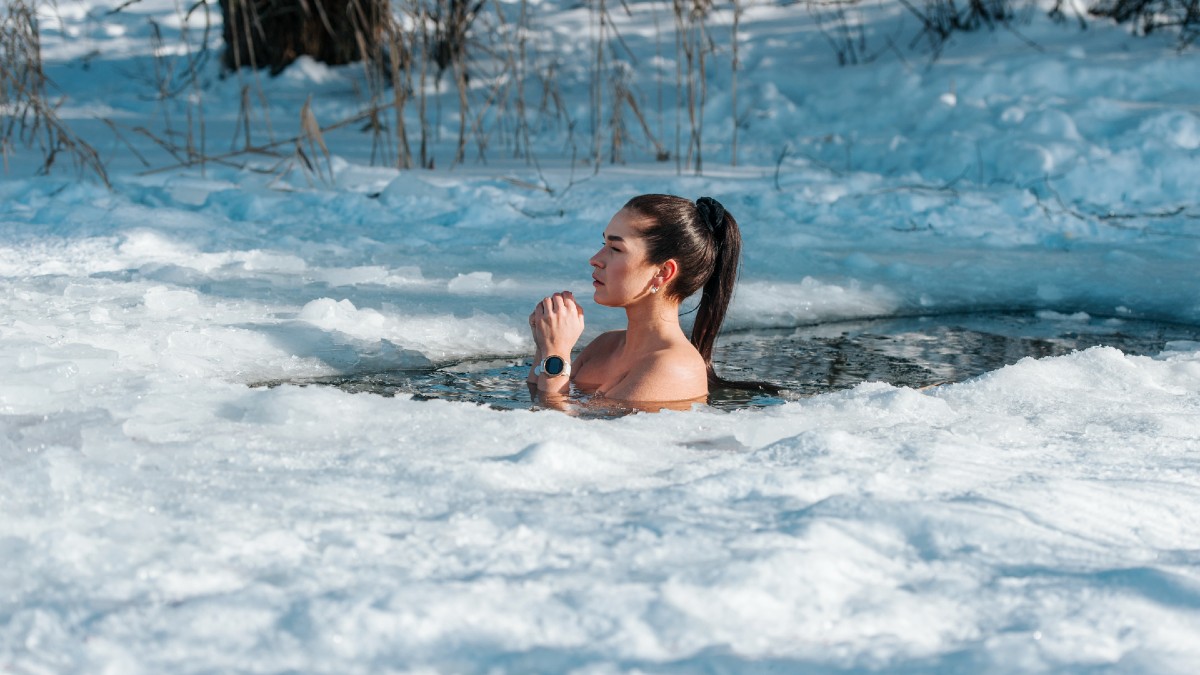
Midway through Week 2, something shifted. The dread didn’t disappear, but it softened. My energy levels stabilized in a way I had never experienced before.
The afternoon crash disappeared entirely, and I felt focused from morning until evening. My hourly energy logs showed a clear rise compared to Week 1.
Sleep improved noticeably. I fell asleep faster, woke up fewer times, and entered deeper sleep stages based on my fitness tracker.
Cold exposure triggers physiological shifts that help regulate circadian rhythms, and those benefits became obvious during this week.Even muscle soreness reduced dramatically.
My workouts felt easier to recover from, and aches subsided quicker. With each plunge, the discomfort became less frightening, and my body’s tolerance grew stronger.
7. Week 3-4: The Compound Effect

By Weeks 3 and 4, everything began to compound. My mood remained consistently positive, and stressful situations felt easier to manage.
Research shows that cold immersion reduces tension, anger, fatigue, and confusion, and I could feel those emotional improvements clearly.
Daily challenges felt lighter, and I responded with more patience and composure.
The most surprising change was confidence. Starting every morning with a difficult task reinforced a sense of inner strength.
Knowing I had already conquered something uncomfortable made everything else feel manageable. This mindset carried into my work, relationships, and personal goals.
The cold no longer felt like an enemy. It became a tool. My routine felt automatic, almost meditative. By Day 30, cold plunging wasn’t about enduring discomfort—it was about controlling my response to it.
8. Unexpected Mental Health Gains
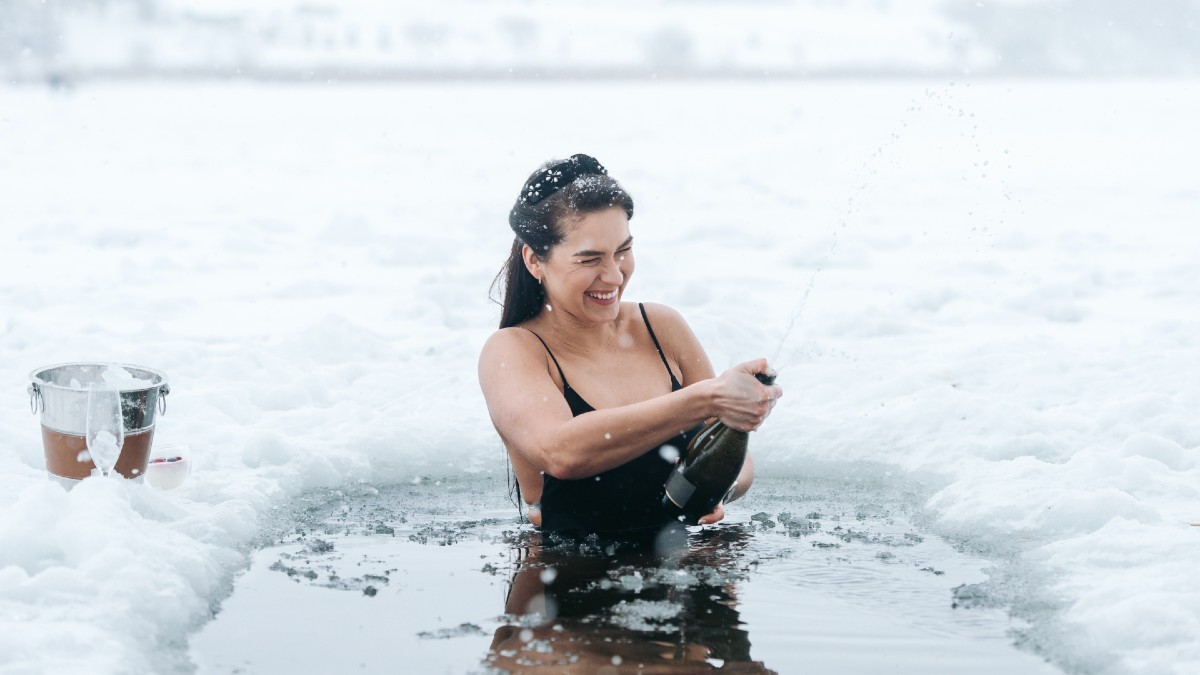
I began cold plunging primarily for physical recovery, yet the mental benefits soon overshadowed everything else.
Cold exposure stimulates brain regions responsible for emotion regulation, focus, and self-control, and I felt that rewiring happening throughout the month.
Difficult emotions didn’t overwhelm me the way they once did.My stress response changed entirely.
Instead of reacting instantly to frustration or anxiety, I noticed a small space between stimulus and response.
That pause gave me clarity and allowed me to choose how to respond instead of defaulting to panic or irritation. This shift alone made daily life feel dramatically lighter.
Cortisol patterns also improved. The research shows that cold exposure can lower cortisol levels even an hour after immersion, and I experienced better sleep, clearer thinking, and fewer anxious episodes as a result.
It wasn’t a cure for stress, but it became a reliable tool for managing it.
9. 2025 Research Confirms Results
As I reviewed the newest 2025 studies, I saw my personal experience reflected again and again. One noteworthy study revealed a significant drop in sick days for people who regularly used cold showers.
When I compared my own data, I realized I hadn’t fallen sick once since completing the challenge, which contrasted sharply with my previous months.
Sleep research supported my changes as well. Studies reported substantial improvements in sleep quality and life satisfaction among people who practiced cold water immersion consistently.
My deep sleep nearly doubled, and the difference in how rested I felt each morning became undeniable.
The most groundbreaking finding involved cellular adaptation.
Scientists discovered that the initial days of cold exposure actually stress the body, but after about a week, cells begin adapting and functioning more efficiently.
This perfectly matched my Week 2 energy surge and explained why the transformation felt so sudden.
10. Mistakes That Almost Ruined It
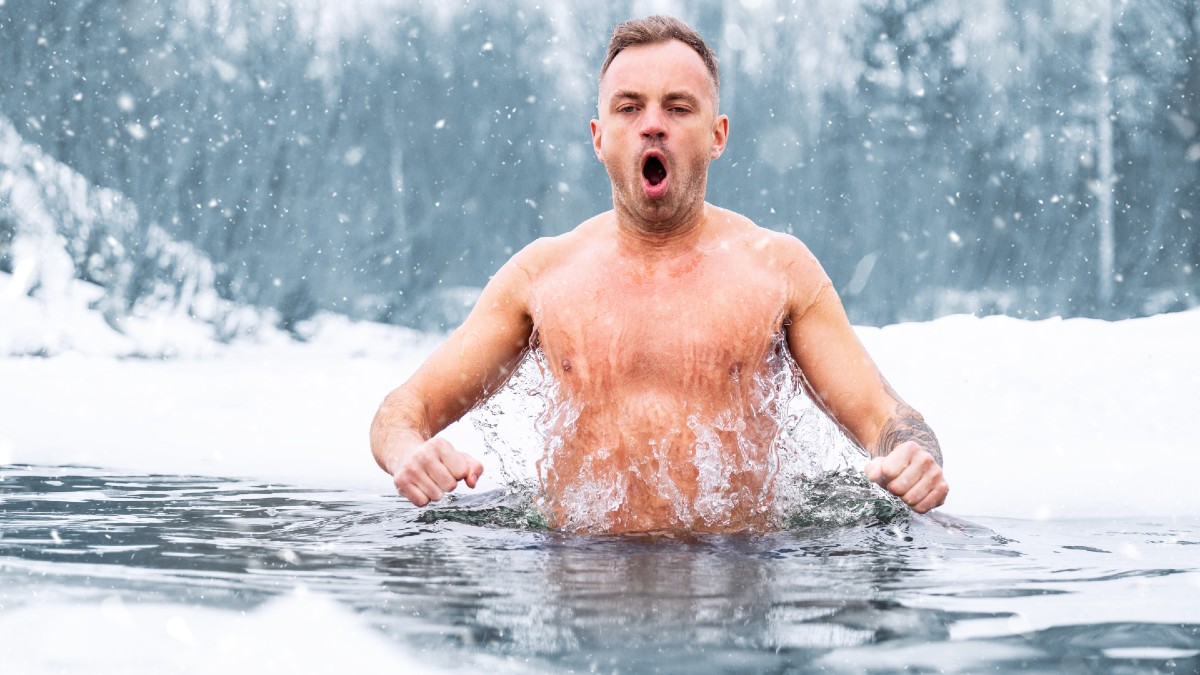
Looking back, several mistakes nearly ruined the entire experiment. My first error was pushing the temperature too low too quickly.
Starting at 45°F was reckless and resulted in numb hands, rapid breathing, and a fear response that made the next session harder.
I realized that cold exposure isn’t about proving toughness—it’s about allowing controlled adaptation.
Another mistake was warming up too quickly afterward. Jumping into a hot shower shocked my system, making me feel nauseous and dizzy.
Allowing my body to warm naturally became essential both for safety and for maximizing metabolic benefits.
The worst mistake was ignoring safety protocols.
Cold plunging alone, especially in the beginning, carries real risks. One morning I felt faint and nearly slipped while getting out.
That moment made me take the guidelines seriously—timed sessions, gradual adaptation, and always having someone nearby.
11. My Optimised 30-Day Routine

After experimenting for a full month, I finally found the routine that works best for me. Keeping the water between 50–55°F delivers the strongest benefits without overwhelming my system.
That range feels challenging yet sustainable, and I can maintain it consistently without hesitation.
Three to five minutes per session seems ideal.
Anything shorter feels incomplete, and anything longer becomes unnecessary discomfort. Performing these sessions four times a week provides all the benefits while allowing proper recovery days.
Morning sessions remain the most effective for mental clarity and consistent energy.
Following the Søeberg Principle—ending with cold—became essential. Allowing my body to warm itself without immediately stepping into heat maximizes metabolic and hormonal benefits.
Light stretching afterward helps restore circulation, and by the time I start my morning coffee, the energy boost has fully kicked in.
Conclusion
The first week pushed me to my limits, but the rewards of staying consistent far outweighed the initial discomfort. Cold plunging taught me discipline, resilience, and the value of embracing controlled stress.
Starting gradually, staying safe, and using the right strategies made the experience transformative rather than overwhelming.
Anyone considering this practice should begin gently, build slowly, and rely on consistency rather than intensity.
A cold shower is enough to start, and no expensive equipment is required. What matters most is commitment and the willingness to show up each day.
After thirty days, cold plunging didn’t just improve my mornings—it reshaped my mindset, strengthened my body, and changed the way I respond to life.