

Your Body Fights Weight Loss—Here’s How to Outsmart It and Win in 2025
You have been following your plan diligently, the pounds seemed to be falling off, and your clothes began to fit more comfortably. Then suddenly, progress stalled, and the scale has not budged in weeks. Despite eating what you believe is perfectly, frustration sets in as the effort seems to produce no results.
This experience is not uncommon and is not a reflection of a lack of willpower. The body actively works against prolonged calorie restriction through a natural biological response called metabolic adaptation.
This article explores why this occurs and provides seven actionable strategies for 2025 to help overcome these plateaus. The focus is on working with your body rather than fighting against it to achieve sustainable weight loss.
Why Your Body Fights Weight Loss: Meet “Metabolic Adaptation”
It is important to understand that you have not failed and your body is not broken. The human body is highly intelligent and, when it perceives a calorie deficit, it interprets the reduction in food as a potential famine.
In response, a series of physiological adaptations are triggered to conserve energy and maintain survival. This response is referred to as metabolic adaptation or adaptive thermogenesis, in which the body slows its basal metabolic rate more than would be expected from a decrease in body weight alone.
The metabolism becomes highly efficient, allowing it to operate on fewer calories. This is a natural survival mechanism designed to protect against starvation rather than a flaw in the system.
Evidence of this phenomenon was documented in studies of participants from The Biggest Loser, where even years after the competition, their metabolisms burned significantly fewer calories than anticipated.
This response is also linked to set point theory, which suggests that the body defends a certain “comfortable” weight range and reacts to deviations from it by adjusting metabolism and hunger signals.
The 3 “Fighters”: How Your Body Sabotages Your Efforts
Weight loss is affected by more than just a slower metabolism.
The body uses a multi-pronged approach to resist further fat loss, including changes in hunger hormones, reductions in hidden calorie expenditure, and decreased energy output during exercise.
One of the most powerful mechanisms involves leptin and ghrelin, hormones that regulate hunger.
1. Your Hunger Hormones Are in Revolt (Leptin & Ghrelin)
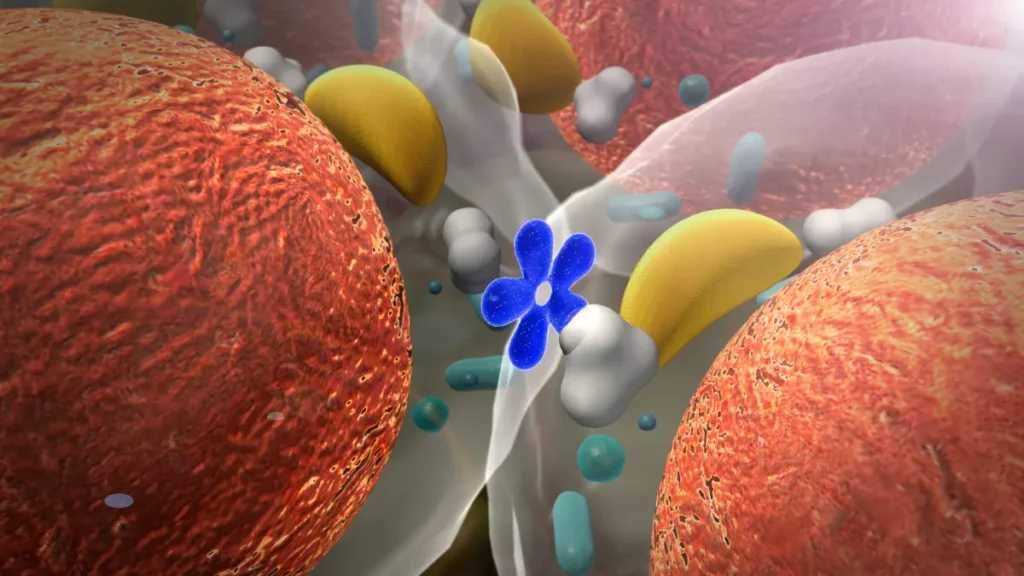
When people try to lose weight, they often underestimate the profound impact of hormones on appetite and food intake. Leptin, produced by fat cells, signals to your brain that your body has enough energy and helps you feel satisfied after meals.
However, as fat stores decrease, leptin levels drop significantly, sending a message to your brain that energy is scarce. This triggers intense hunger and cravings, often for calorie-dense foods, even when your actual energy needs are being met.
At the same time, ghrelin, the hormone that stimulates appetite, rises in response to the perceived energy deficit. This dual hormonal response creates a biological tug-of-war where your brain thinks the body is starving, making food more enticing and meals less satisfying.
Over time, this can lead to increased preoccupation with food, emotional eating, or sneaky snacking, which are major reasons why many people hit weight loss plateaus despite following a strict diet.
Understanding this hormonal interplay helps explain why “willpower” alone often fails and why adjusting diet strategy rather than pushing harder is crucial for sustainable fat loss.
2. Your “Hidden” Calorie Burn Has Vanished (NEAT)
Non-exercise activity thermogenesis, or NEAT, refers to all the small, unconscious movements we make every day—walking around the office, fidgeting, cleaning, or even maintaining posture.
While it may seem minor, NEAT can account for hundreds of calories burned daily. During calorie restriction, the body instinctively reduces NEAT to conserve energy.
You may notice subtle changes, like feeling more lethargic, sitting longer, or fidgeting less, without realizing it.
This unconscious reduction in daily movement can drastically reduce total energy expenditure, slowing fat loss or even halting it altogether. NEAT is unique because it’s not part of your structured workouts, yet it has a significant cumulative effect on your metabolism.
By consciously increasing NEAT through small lifestyle adjustments—like standing more, taking extra steps, or pacing during phone calls—you can effectively “recover” these hidden calories and help break a plateau without intense exercise.
3. Your Workouts Are Burning Fewer Calories

Exercise is a cornerstone of fitness, but it also adapts to your changing body. As you lose weight, every movement requires less energy.
Running a mile or lifting weights that once demanded a high calorie expenditure now consumes fewer calories simply because your body is lighter.
On top of that, repetitive workouts allow your body to become more efficient at performing the same movements. This efficiency, while a sign of improving fitness, paradoxically reduces the calorie-burning impact of your workouts.
For instance, a 10-minute jog that once burned 120 calories might now only burn 90 calories, meaning your total daily energy deficit is smaller than expected.
Without adjustments to your exercise intensity, duration, or variety, this adaptive response contributes to stalled fat loss, emphasizing the need for strategic changes in training to maintain progression.
7 Proven 2025 Strategies to Work With Your Biology (Not Against It)
Instead of pushing your body harder with extreme restrictions, the most sustainable fat loss methods leverage natural biology.
The strategies below are grounded in research and are currently popular across the USA and UK for their effectiveness in overcoming plateaus, restoring hormones, and boosting metabolism.
These approaches focus on safety signals for the body, balancing hormones, preserving lean mass, and reclaiming lost calorie expenditure, rather than relying on sheer willpower.
1.Reset with a Diet Break
A planned diet break involves temporarily increasing calories to your estimated maintenance level, usually for 7–14 days. This isn’t a “cheat” period; it’s a deliberate intervention that allows your body to recover from prolonged calorie restriction.
During a diet break, leptin levels rise, signaling to the brain that energy availability is sufficient, which suppresses ghrelin-driven hunger and restores appetite control. Metabolic rate also tends to normalize, meaning you burn calories more efficiently.
Think of this as pressing a reset button: your hormones stabilize, energy levels increase, and you return to fat loss with a stronger foundation.
Many top fitness coaches in the US and UK use structured diet breaks as a core strategy for long-term fat loss, because they reduce the physiological resistance the body naturally develops to dieting.
2.Make Protein Your Base
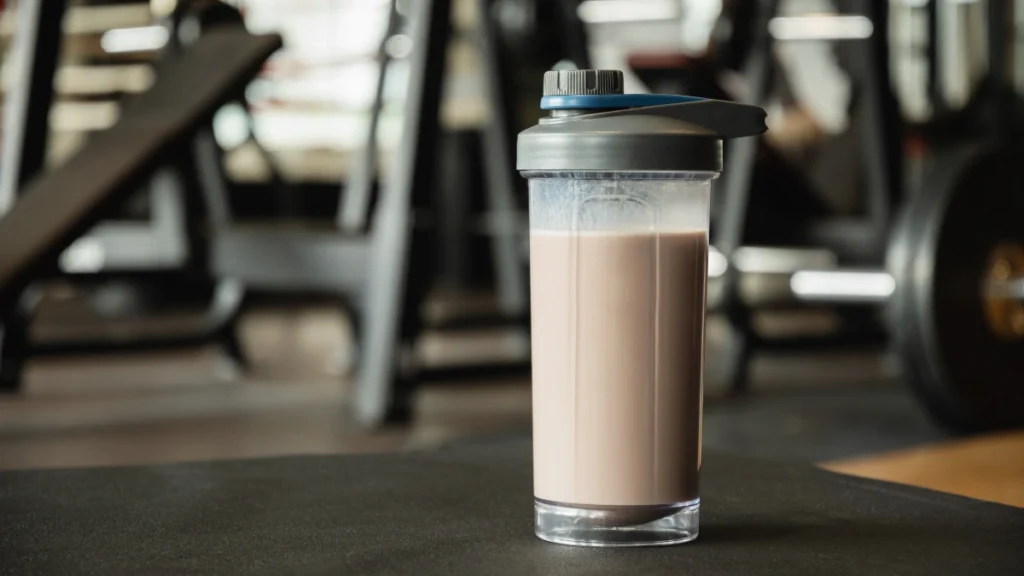
Protein is uniquely powerful in controlling hunger and supporting metabolism.
Compared to carbohydrates or fats, protein has the highest thermic effect, meaning the body uses significant energy simply to digest and metabolize it—up to 30% of the protein calories consumed.
Protein also triggers satiety hormones while blunting ghrelin spikes, helping you stay full for hours.
Consuming around 25–30 grams of protein per meal, whether from lean meats, eggs, dairy, or plant-based sources, ensures that your body prioritizes muscle preservation and calorie utilization rather than storing energy as fat.
High-protein meals also support recovery from exercise and can make structured workouts more effective, which is particularly important during a calorie deficit.
3. Build & Protect Muscle

Muscle tissue is metabolically active, burning calories even at rest. Preserving or building muscle during fat loss is therefore essential for maintaining a high metabolic rate.
Incorporating two to three full-body resistance training sessions each week, emphasizing compound exercises like squats, deadlifts, presses, and rows, protects lean tissue from being broken down and helps sustain long-term calorie burn.
Combining resistance training with cardiovascular exercise aligns with the latest 2025 guidelines from American and British health authorities and remains the gold standard for body recomposition.
Strength training not only supports metabolic health but also improves posture, bone density, and functional strength, offering benefits beyond weight loss alone.
4.Move More, Every Day

Because the decline in subconscious movement is automatic during dieting, consciously increasing NEAT is essential.
Setting a daily step goal of 8,000–10,000 steps, standing while talking on the phone, taking stairs instead of elevators, and intentionally moving during short breaks all contribute to restoring lost calories.
These seemingly small actions can add 200–400 calories of additional expenditure each day without structured exercise.
By making NEAT conscious, you counteract the body’s natural energy-conservation response and maintain momentum in fat loss. Over weeks, these habits compound, helping break plateaus and making sustainable fat loss more achievable.
5.Prioritise Quality Sleep

Quality sleep is a fundamental component for regulating hunger and metabolism. Insufficient or poor-quality sleep disrupts the balance of leptin and ghrelin, leading to increased appetite, cravings, and reduced willpower.
Prioritizing seven to nine hours of consistent sleep enhances hormone regulation, supports recovery, and allows dietary and exercise strategies to work more effectively.
Even one poor night tanks leptin, spikes ghrelin, raises cortisol, and impairs decision-making regions of the brain—creating the perfect storm for overeating.
A cool, dark, quiet bedroom and consistent sleep/wake times remain the highest-ROI habit for sustainable fat loss.
6.Lower Stress & Cortisol

Stress management is also critical, as elevated stress increases cortisol levels, which promote fat storage, particularly around the abdomen, and stimulate cravings for high-calorie foods.
Engaging in short, non-exercise stress-relief activities such as meditation, deep breathing, or quiet reflection helps reduce cortisol, improve sleep, and release water retention, often resulting in a noticeable reduction in scale weight.
Chronic stress from dieting and life keeps cortisol elevated, encouraging abdominal fat storage and intense cravings for sugar and salt.
Ten minutes of deliberate calm—whether meditation, deep breathing, gentle yoga, or simply sitting with music—directly lowers this fat-storing signal and often triggers the famous “whoosh” when retained water finally drops overnight.
7. Fill Up on Volume Foods

Your stomach’s stretch receptors don’t care where calories come from—they only register physical fullness.
Filling half your plate with non-starchy vegetables and adding watery fruits like berries or melon lets you eat large, satisfying portions while staying in a deficit. Fiber from these foods also stabilizes blood sugar and extends satiety for hours.
When you understand that plateaus represent sophisticated biology rather than personal failure, everything changes. Implement these seven strategies together and you stop battling your body and start partnering with it.
The scale will move again—not because you found more willpower, but because you finally spoke your body’s language.