
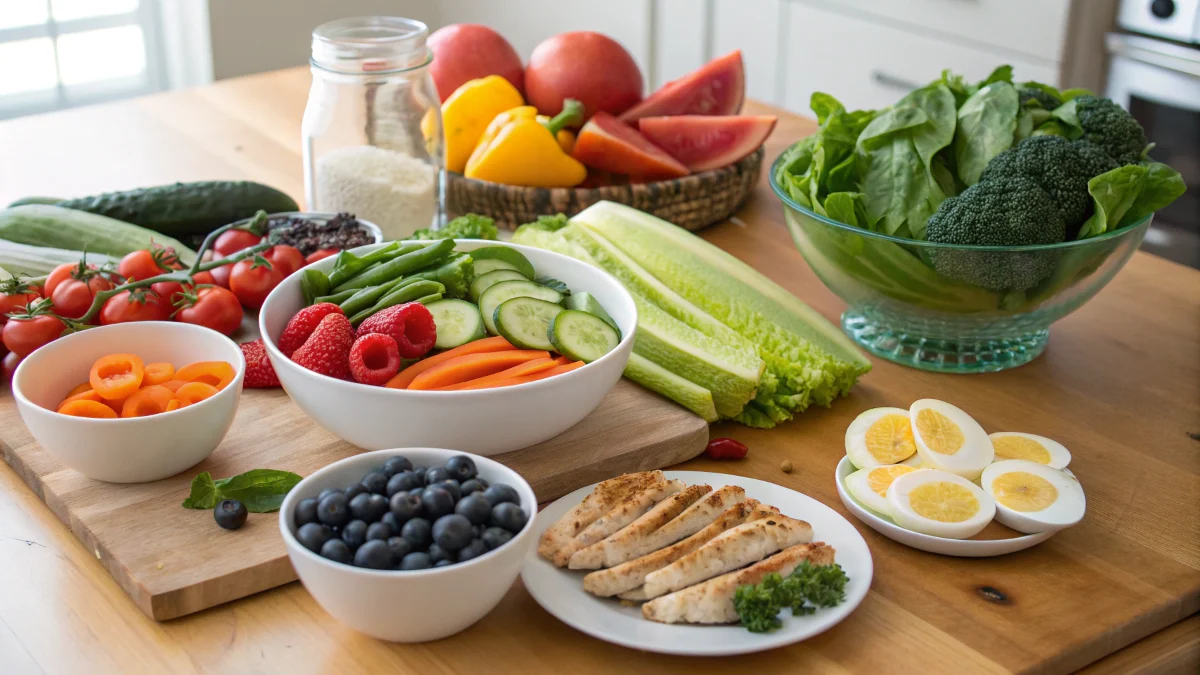
15 Foods You Can Eat A Lot Of Without Gaining Weight
What if you could actually lose weight while eating more food instead of constantly restricting yourself? It sounds too good to be true, but this approach rests on a simple, science-backed principle called calorie density.
Most diets fail because they leave you hungry, deprived, and fighting constant cravings. You finish a tiny “healthy” portion, only to hear your stomach growling an hour later. Low-calorie-density foods flip that script.
These foods contain plenty of water and fiber, which means they fill your stomach with volume while delivering very few calories.
For example, 200 calories of oil fits in a tablespoon, yet 200 calories of spinach fills an entire giant bowl. That physical fullness triggers stretch receptors in your stomach and tells your brain you’re satisfied, so you naturally eat less overall without feeling deprived.
Stock your kitchen with the fifteen foods below, and you’ll discover how easy it is to stay full, happy, and on track with your weight goals.
1. Celery– Ultra-Low-Cal Snack
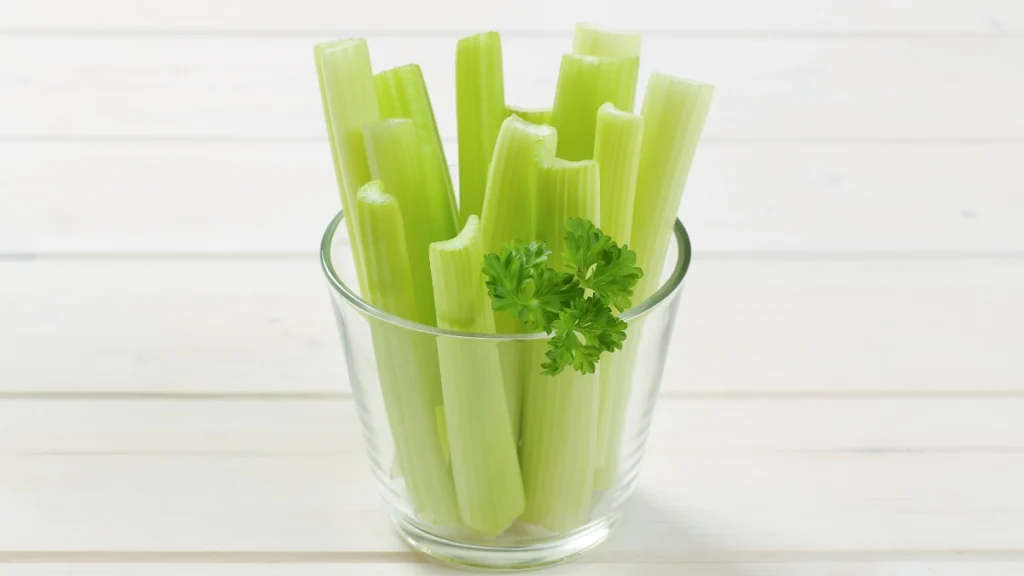
Celery stands out as one of the lowest-calorie foods available, usually offering only six to ten calories per large stalk while being composed of about ninety-five percent water, which makes it incredibly hydrating and naturally light.
Its firm, fibrous texture requires more chewing and digestion than most vegetables, creating the impression that the body burns nearly as many calories processing it as it contains, and although the idea of “negative-calorie foods” is more myth than science, celery still ranks among the most calorie-efficient choices for people who want volume without heaviness.
A full bunch of ten to twelve stalks comes in under one hundred calories, meaning someone in the USA or UK could snack generously without affecting their daily intake.
Its refreshing taste, high water content, and natural crispness make celery a reliable option for anyone trying to feel full, stay hydrated, and maintain control over their weight while still enjoying satisfying, flavorful meals.
2. Berries – Sweet, Filling, Low-Cal
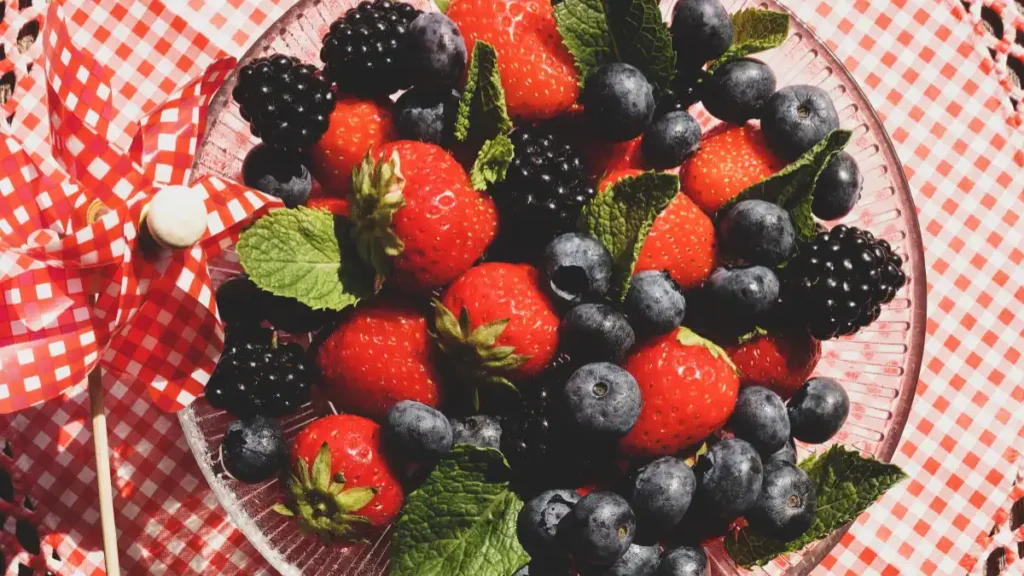
Berries remain some of the most calorie-friendly and nutrient-dense fruits available, making them a popular choice for people in the USA and UK who want something sweet, filling, and naturally light.
Strawberries provide only about fifty to fifty-five calories per heaping cup, which usually includes eight to ten large berries, while delivering strong hydration and a refreshing sweetness that feels far richer than their calorie count.
Raspberries offer around sixty-four calories per cup and contain about eight grams of fiber, giving them the highest fiber content of any common fruit, which helps slow digestion, control blood sugar, and keep hunger away for long periods.
Blueberries are slightly higher in calories at roughly eighty-five per cup, yet they stand out for their high levels of anthocyanins—powerful plant compounds that help reduce inflammation, support heart health, and improve insulin sensitivity, making them especially valuable for long-term metabolic wellness.
During the summer, British gardens and American pick-your-own farms overflow with fresh berries, and when the season ends, frozen varieties remain widely available at stores such as Costco, Sam’s Club, Morrisons, and Lidl, often offering better prices with the same nutritional benefits.
Adding two or three cups of mixed berries to a bowl with a small amount of Greek yogurt creates a dessert-like treat that feels indulgent while staying under roughly two hundred fifty calories, giving you a large, colorful, satisfying dish that supports fullness, energy, and weight-friendly eating without any sense of restriction.
3. Leafy Greens – Eat Loads, Stay Light
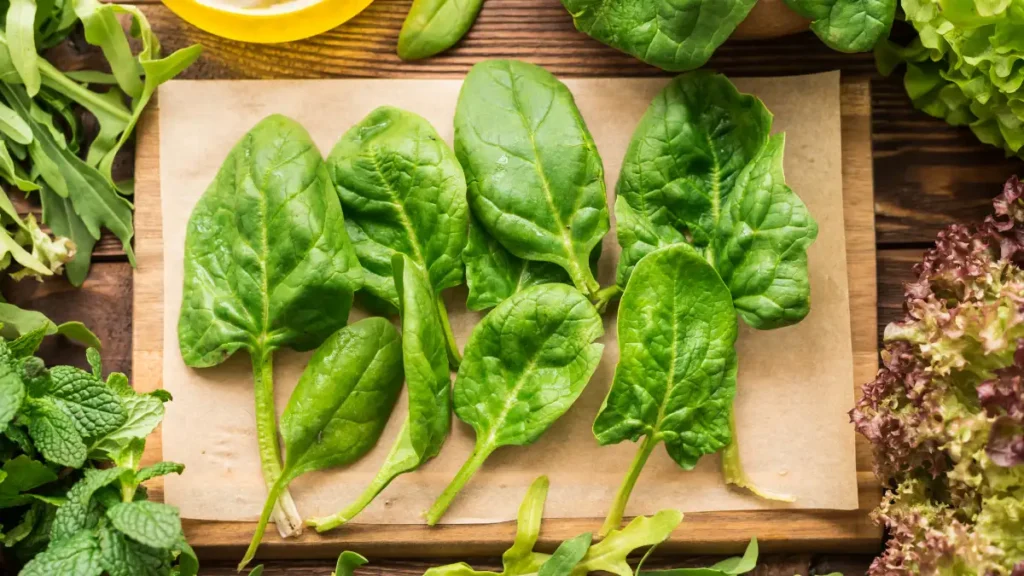
Leafy greens rank among the most versatile and low-calorie foods, making them a cornerstone for anyone in the USA or UK aiming to eat generously while managing weight.
Raw spinach contains only about seven calories per cup, while raw kale ranges between eight and ten calories per cup, and you can comfortably consume an entire 300–400 gram clamshell or container—the larger packs available at stores like Costco or Marks & Spencer—for roughly fifty to eighty calories.
These greens are ideal for creating the well-known “volume salad” approach: starting with six to ten cups of greens provides a generous, visually impressive base, after which additional vegetables, a modest portion of lean protein, and a light, low-calorie dressing can be added to form a satisfying, nutrient-rich meal.
Their delicate texture, minimal calories, and nutritional density make them a perfect addition to any meal plan, whether eaten raw in salads, lightly sautéed, or incorporated into smoothies, ensuring you enjoy abundant portions without compromising on calories or flavor.
4. Air-Popped Popcorn– Crunch Without Guilt

Air-popped popcorn is one of the most satisfying low-calorie snacks available, making it an excellent choice for anyone in the USA or UK who wants to enjoy a crunchy, flavorful treat without consuming excess calories.
Three cups of air-popped popcorn contain roughly ninety-two calories and provide over three grams of fiber, giving it the rare combination of volume, crunch, and nutritional benefit.
A standard large bowl can hold ten to twelve cups, providing the sensation of a generous, movie-theater-style serving while keeping the total calorie count around three hundred to three hundred fifty calories, far less than typical snack alternatives like chips or pretzels.
In the United States, brands such as SkinnyPop and BoomChickaPop offer pre-popped versions at under forty calories per cup, while in the United Kingdom, Propercorn and Metcalfe’s provide similar options, making it easy to enjoy popcorn without the need to prepare it at home.
Popcorn also adapts well to a variety of seasonings, allowing you to customize it without dramatically increasing calories; a light dusting of salt, a sprinkle of cinnamon, nutritional yeast, or even a five-second spray of olive oil, which adds only ten to fifteen calories, can transform a plain bowl into a flavorful snack.
Its whole-grain content supports digestion, the fiber contributes to fullness, and the expansive volume creates a satisfying eating experience that feels indulgent while still fitting seamlessly into a weight-conscious diet, making air-popped popcorn an ideal choice for both everyday snacking and special occasions.
5. Nonfat Greek Yogurt– High Protein, Low Calories
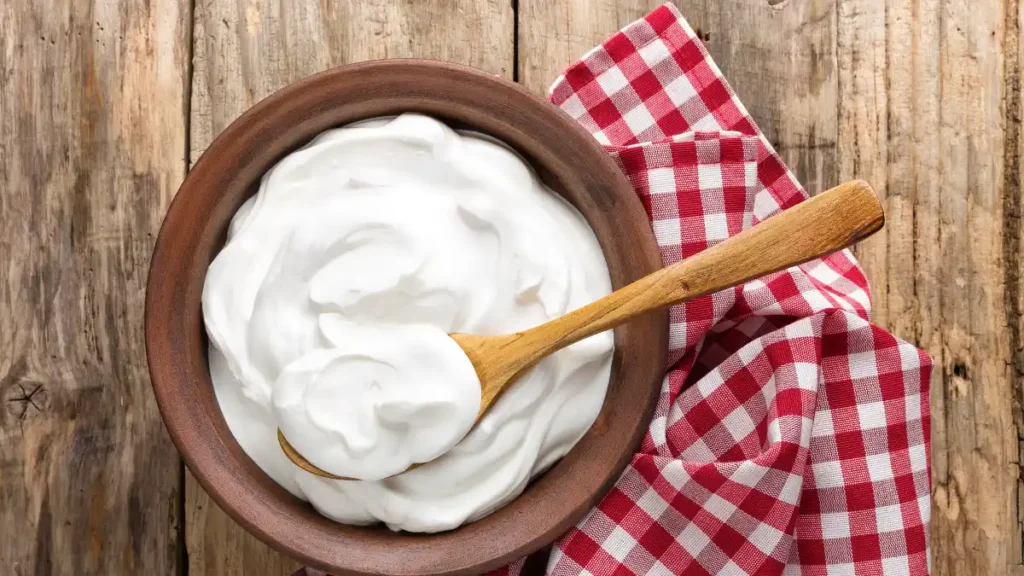
Nonfat Greek yogurt has become a staple for anyone in the USA or UK seeking a high-protein, low-calorie food that satisfies hunger while adding creamy richness to meals.
Popular brands like Fage 0%, Chobani Zero Sugar, Skyr, and a variety of supermarket own-brand options deliver between ninety and one hundred twenty calories per three-quarter to one-cup serving while providing an impressive fifteen to twenty grams of protein, making it one of the most satiating foods for breakfast, snacks, or dessert.
The thick, luxurious texture comes from straining the yogurt rather than from fat, which allows it to mimic the creaminess of full-fat varieties without adding extra calories, making it feel indulgent while remaining diet-friendly.
In the United States, people often transform nonfat Greek yogurt into “protein fluff” by blending it with frozen berries and a touch of sweetener, creating a light, airy treat that feels like dessert.
In the UK, it is commonly mixed into overnight oats, stirred into morning muesli, or used as a healthier substitute for sour cream on baked potatoes, providing both flavor and a boost of protein.
Its versatility, high protein content, and creamy consistency make nonfat Greek yogurt a go-to option for increasing satiety, supporting muscle maintenance, and enjoying satisfying meals without compromising calorie goals, helping anyone maintain fullness and energy throughout the day.
6. Zucchini/Courgette – Versatile, Low-Cal Veg
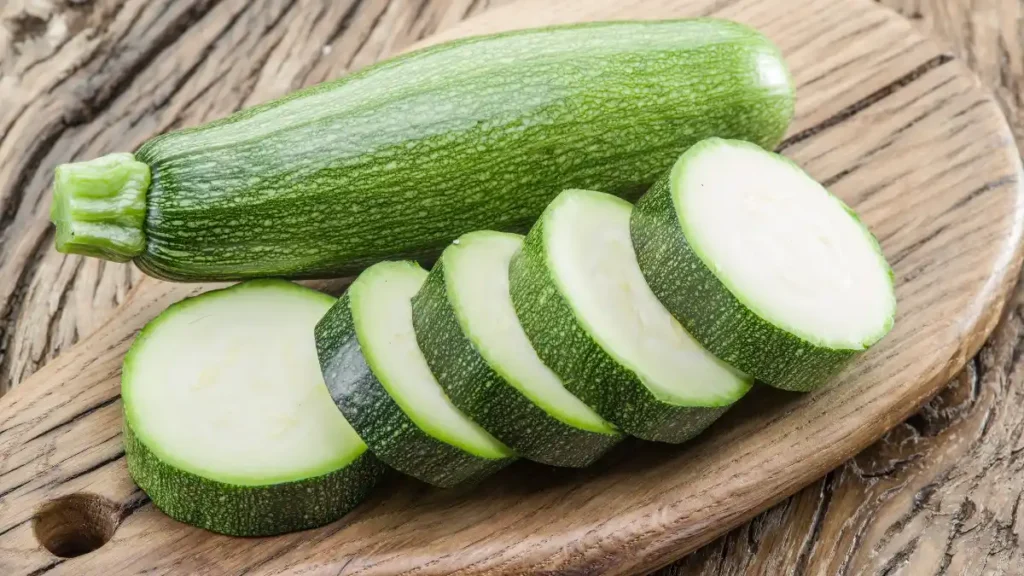
Zucchini, also known as courgette in the UK, is an incredibly versatile, low-calorie vegetable that has become a favorite for anyone in the USA or UK seeking to increase meal volume without adding significant calories.
A cooked cup contains only about seventeen to twenty calories, and an entire medium zucchini comes in at roughly thirty-three calories, making it ideal for large portions that feel satisfying but remain diet-friendly.
The vegetable can be spiralized into zoodles, which are widely available pre-spiralized in stores such as Tesco Finest and Whole Foods, roasted in large trays with herbs for a flavorful side dish, or grated into oatmeal and baked goods to subtly increase volume while dramatically reducing overall calorie content.
One viral cooking hack in both the US and UK involves creating “zucchini boats” stuffed with lean fillings like turkey bolognese, offering a meal under three hundred calories that looks and tastes like a generous restaurant portion.
Zucchini’s mild flavor allows it to blend seamlessly into a variety of dishes, while its high water content and fiber contribute to fullness and hydration, making it an excellent tool for anyone looking to eat abundantly, stay satisfied, and maintain control over calorie intake without compromising on taste or presentation.
7. Broth-Based Soups– Start Meals Full
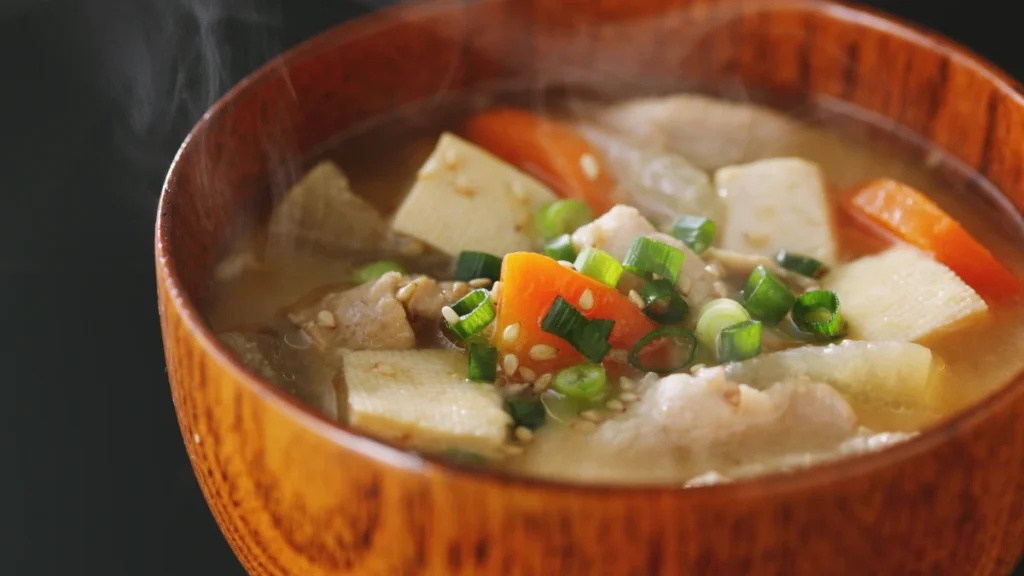
Broth-based vegetable soups are a simple, low-calorie, and highly satisfying way to start a meal while controlling overall calorie intake, making them a favorite choice for people in the USA and UK who want to feel full without overeating.
Preparing these soups requires minimal effort: simply combine carton broth with frozen mixed vegetables, add fresh spinach, season with herbs and spices, and simmer for ten minutes to create a warm, flavorful, and nutrient-rich starter.
The high water content, combined with the fiber and bulk from the vegetables, stretches the stomach and sends early satiety signals to the brain, helping prevent overeating at the main course.
Broth-based soups not only provide hydration and comfort but also serve as a flexible foundation for adding lean proteins or additional vegetables, making them an effective, satisfying, and low-calorie strategy for anyone looking to maintain fullness, support weight goals, and enjoy flavorful, hearty meals without the guilt.
8. Watermelon– Hydrating Summer Fruit
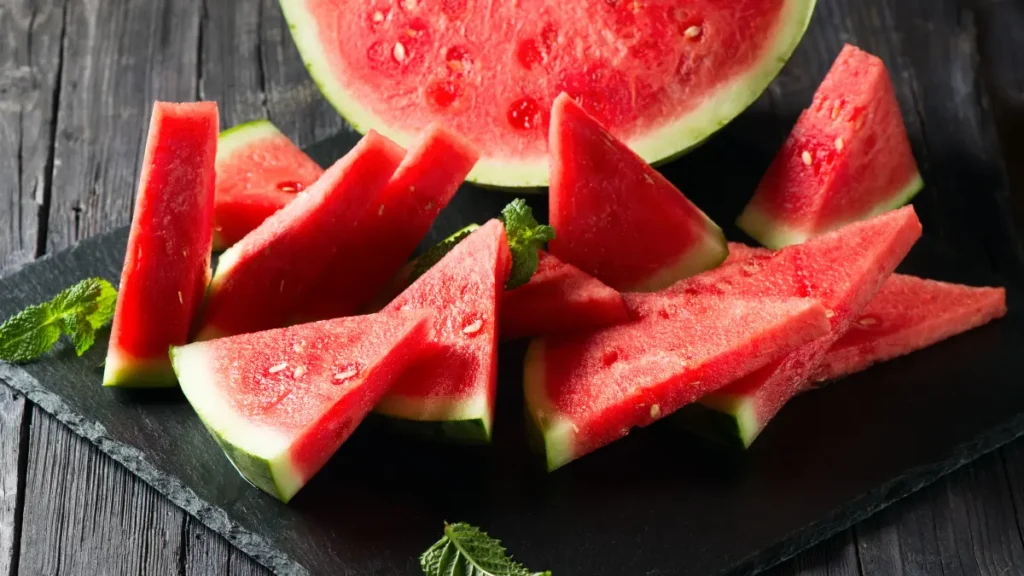
Watermelon is an ideal low-calorie, hydrating fruit for anyone in the USA or UK looking for a refreshing snack during summer picnics or heatwaves, containing just forty-six calories per cup and made up of ninety-two percent water.
A personal-sized watermelon, which provides about four to five cups of flesh, still totals only around two hundred thirty calories, making it easy to enjoy generous portions without worrying about excess calories.
Beyond hydration and sweetness, watermelon contains the amino acid citrulline, which has been shown to improve blood flow and reduce muscle soreness, making it a bonus for gym-goers and active individuals.
Its natural juiciness, low calorie count, and satisfying sweetness make watermelon a perfect choice for warm-weather snacks, desserts, or post-workout refreshment, offering volume, hydration, and a subtle metabolic boost all in one.
9. Protein-Packed & Filling

Low-fat cottage cheese, available in one or two percent fat versions, is a protein-packed, low-calorie option widely used in both American and UK fitness circles, with one cup (about 226 grams) providing roughly 160 to 180 calories and 25 to 28 grams of slow-digesting casein protein.
The creamy texture makes it easy to blend into a smooth consistency, transforming it into a high-protein “frosting” for berries, rice cakes, or other snacks while keeping calorie counts low.
Its slow-release protein helps sustain fullness for hours, supports muscle maintenance, and complements a wide variety of meals.
Whether eaten plain, blended into desserts, or incorporated into savory dishes, low-fat cottage cheese provides substantial volume and satisfying texture, making it a versatile, weight-conscious choice for anyone who wants to feel full and nourished without excess calories.
10. Bell Peppers-Sweet, Crunchy, Low-Cal
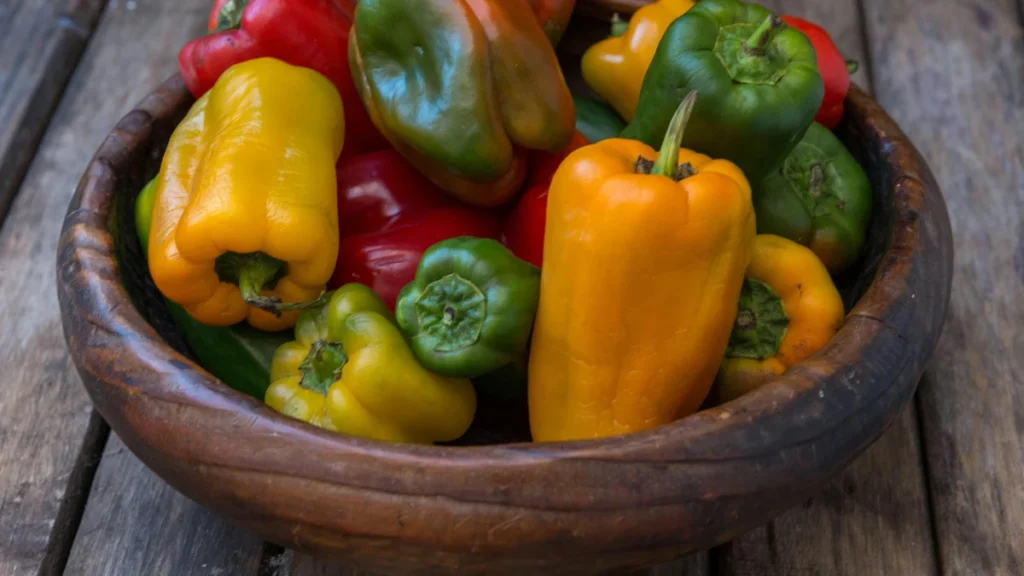
Bell peppers are low-calorie, nutrient-rich vegetables that are naturally crisp, sweet, and hydrating, with one large red pepper providing only thirty-seven to fifty calories while containing more vitamin C by weight than an orange.
Their natural sweetness and satisfying crunch make them ideal for raw snacking or adding bulk to salads, stir-fries, and meals.
In both the USA and UK, creative recipes such as “pepper nachos,” which feature bell pepper slices topped with seasoned turkey and a small amount of cheese before baking, have gained popularity for delivering the full sensory experience of traditional nachos while dramatically reducing calories.
Packed with water, fiber, and vitamins, bell peppers provide both visual appeal and volume, making them an excellent tool for anyone aiming to enjoy flavorful meals, satisfy cravings, and stay full without compromising calorie goals.
11. Cucumber– Crisp, Hydrating, Satisfying
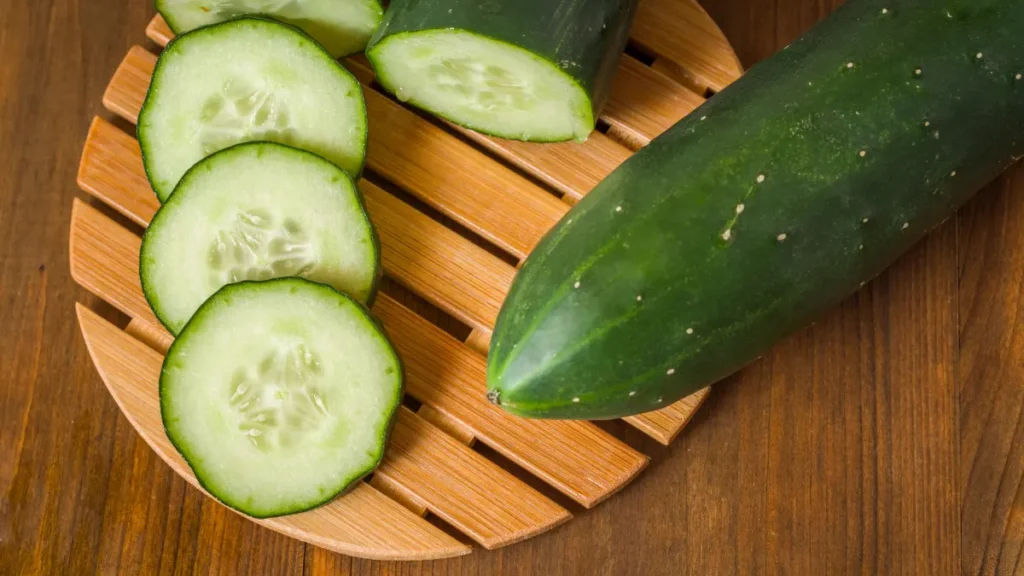
Cucumbers are one of the lowest-calorie, highest-volume foods available, containing only sixteen calories per cup of sliced cucumber and roughly ninety-five percent water, which makes them incredibly hydrating and filling.
Both English cucumbers, commonly sold long and wrapped in plastic in UK supermarkets, and smaller Persian cucumbers, popular in US grocery stores, provide endless snacking possibilities with minimal calories.
Sliced and lightly seasoned with salt, vinegar, and dill, cucumbers can form a huge, satisfying plate of fresh vegetables that fills the stomach without adding significant calories.
Their crisp texture, hydrating quality, and fiber content make them ideal for salads, side dishes, or as a crunchy snack, allowing anyone to enjoy generous portions while supporting fullness, hydration, and weight management.
12. Tomatoes– Flavorful, Low-Cal, Versatile
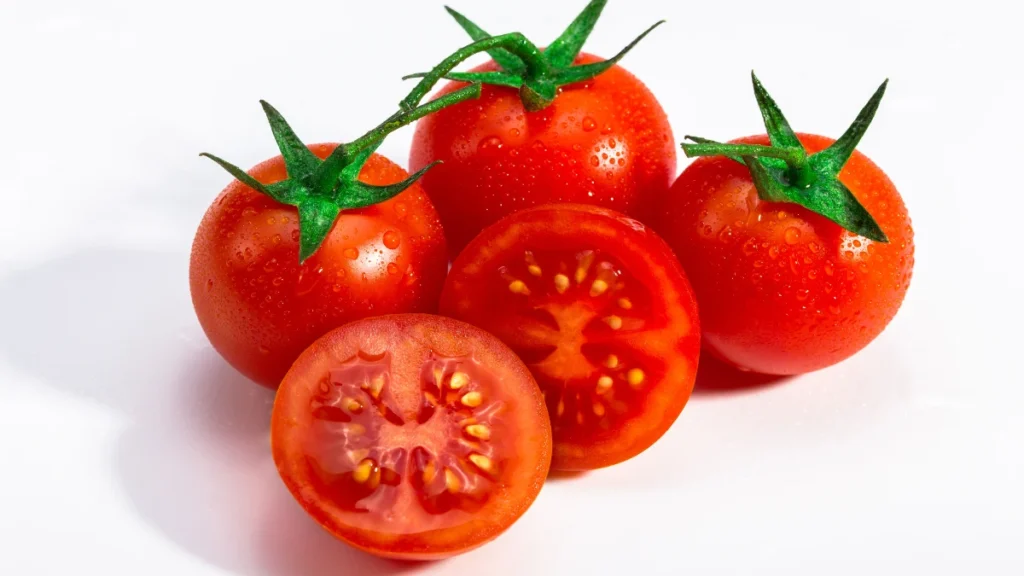
Tomatoes are naturally low-calorie, versatile, and rich in nutrients, with a cup of cherry tomatoes containing just twenty-seven calories.
Roasting trays of tomatoes with garlic, olive oil, and herbs intensifies their sweetness and creates a sauce-like consistency that can transform meals while keeping calories minimal.
Lycopene, the antioxidant found in tomatoes, becomes more bioavailable with cooking, providing heart-protective benefits in addition to hydration and fiber.
Tomatoes are a flavorful and visually appealing addition to salads, pasta, and side dishes, offering volume and satiety while delivering essential nutrients, making them a practical and enjoyable choice for anyone aiming to eat large, satisfying meals without excess calories.
13. Spaghetti Squash– Pasta Without the Calories
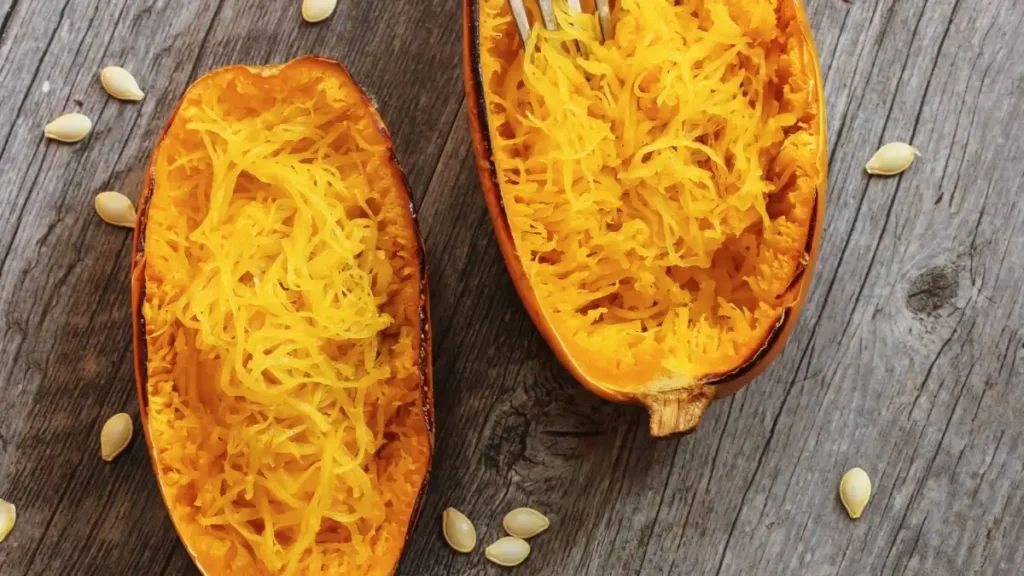
Spaghetti squash is a low-calorie, high-volume alternative to traditional pasta, with one cooked cup containing approximately forty-two calories compared to over two hundred twenty calories per cup of standard pasta.
When baked and shredded, a medium spaghetti squash produces six to eight cups of noodle-like strands that can be tossed with marinara sauce and lean protein for a meal that appears enormous yet stays under four hundred to five hundred calories.
The squash is rich in fiber, B vitamins, and manganese, which support digestion and overall nutrition while providing the satisfaction of a hearty, filling meal.
Its subtle flavor and versatile texture make it easy to replace heavier starches, allowing anyone in the USA or UK to enjoy generous portions of “pasta” without exceeding calorie goals.
14. Grapefruit– Tangy, Appetite-Supporting Fruit
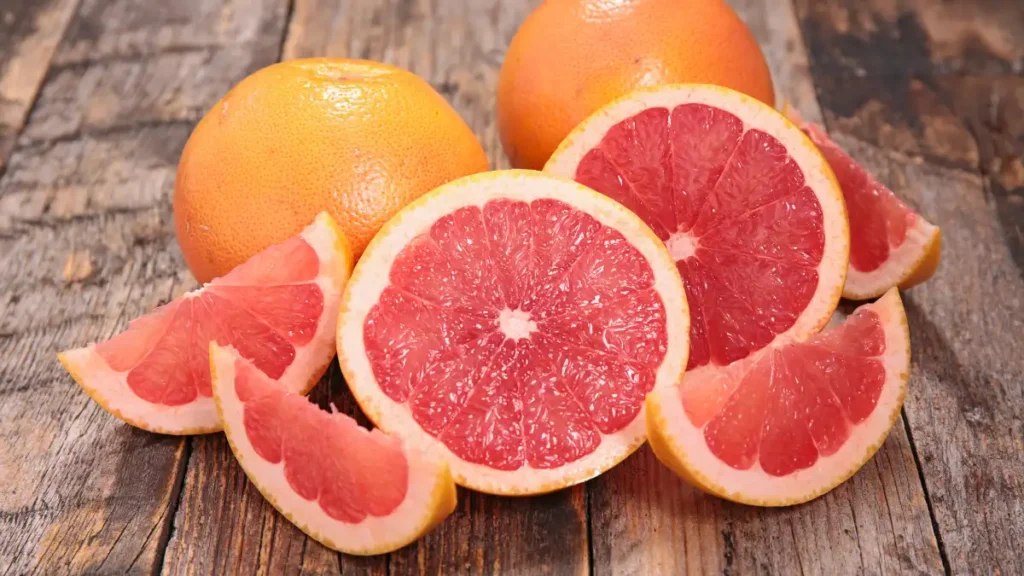
Grapefruit is a classic fruit for volume eating and appetite control, with half of a large grapefruit providing roughly fifty to sixty calories while delivering soluble fiber and naringenin, a natural compound shown to improve insulin sensitivity.
Although the famed “grapefruit diet” was never a magic solution for weight loss, the combination of water, fiber, and tangy flavor helps suppress appetite naturally, making it easier to reduce calorie intake at subsequent meals.
Ruby red and pink varieties are especially popular in both the USA and UK due to their sweetness, refreshing taste, and versatility, whether eaten on its own, incorporated into salads, or enjoyed as a morning snack.
Grapefruit provides hydration, satiety, and metabolic support, making it an excellent choice for anyone aiming to feel full on fewer calories.
15. Cantaloupe– Juicy, Low-Cal, Filling
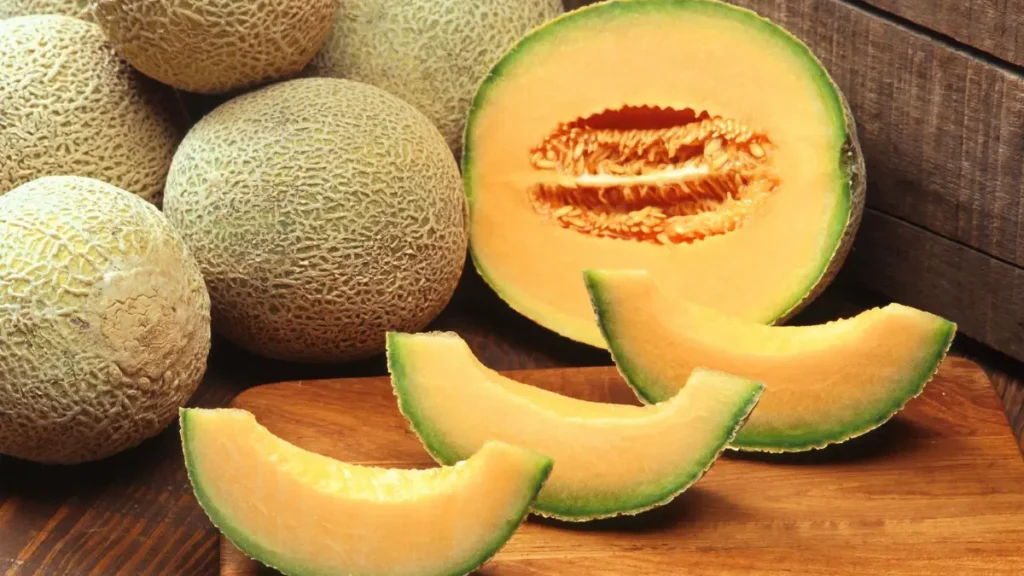
Cantaloupe, known as rockmelon in some regions, is another hydrating, low-calorie fruit, with one heaping cup containing approximately sixty calories and composed of about ninety percent water.
It is rich in beta-carotene, which the body converts into vitamin A, supporting skin, eye, and immune health, while also providing vitamin C and other antioxidants.
One medium cantaloupe yields eight to ten cups of cubed fruit, making it perfect for large breakfast bowls, snacking, or blending into smoothies that feel indulgent yet remain under two hundred calories.
Its natural sweetness, hydrating texture, and high volume make cantaloupe a popular choice in the USA and UK for anyone seeking to satisfy cravings, stay full, and enjoy a refreshing, nutrient-rich snack or meal addition.
Fill your fridge and pantry with these fifteen foods, and you’ll never have to feel hungry while working toward your weight goals again. Eat bigger portions, enjoy more variety, and watch the results happen naturally.