
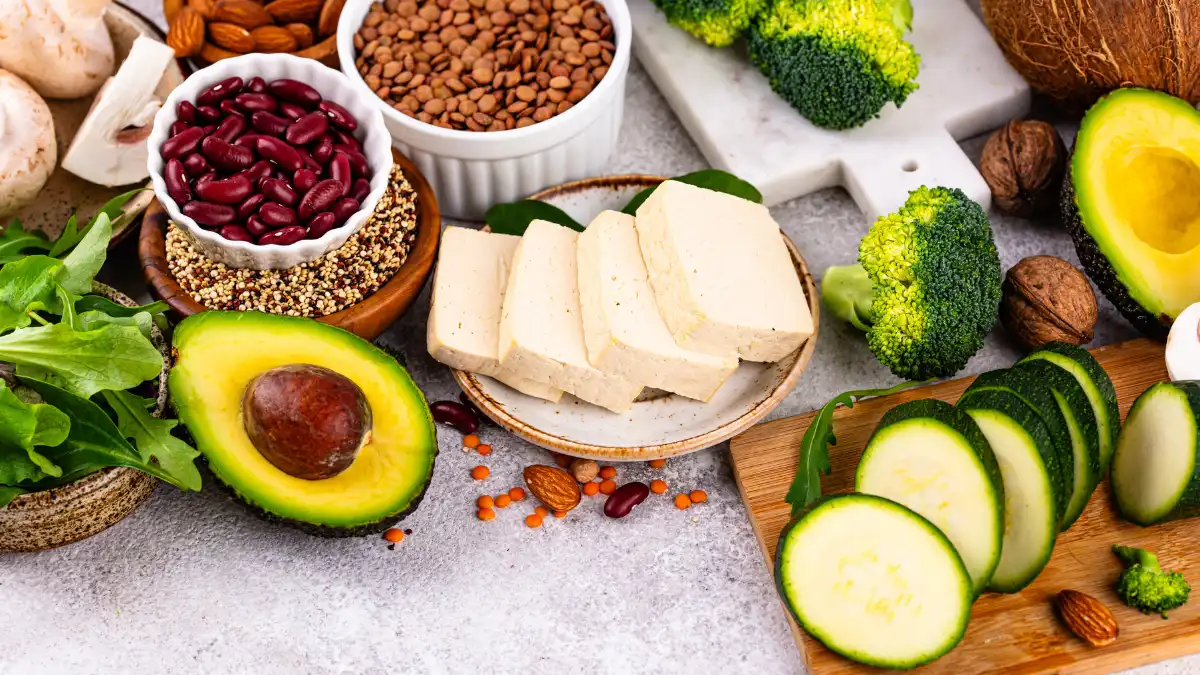
15 Foods That Naturally Speed Up Your Metabolism (Without Exercise!)
When people talk about “speeding up your metabolism,” most think it only happens in the gym. The truth is far more exciting — certain foods can force your body to burn extra calories automatically, even while you sit on the couch.
The secret lies in something scientists call the Thermic Effect of Food (TEF) — the energy your body spends simply digesting what you just ate. Protein-rich foods top the list because your body burns 20-30% of their calories during digestion, while carbs use only 5-10% and fats barely 0-3%.
Choose the right foods, and every meal becomes a mini calorie-burning session. Here are fifteen powerful options proven to give your metabolism a natural lift.
1. Lean Chicken and Turkey for a Metabolic Boost

Lean chicken and turkey are excellent choices for anyone looking to boost metabolism and maintain a healthy weight.
These poultry options provide nearly pure protein with minimal fat, which means the body expends significant energy to digest and metabolize them—a process known as the thermic effect of food (TEF).
Protein is the macronutrient with the highest TEF, so consuming lean meats can lead to a higher number of calories burned simply during digestion.
Additionally, protein supports the maintenance and growth of lean muscle mass, which itself elevates resting metabolic rate because muscle tissue requires more energy to maintain than fat tissue.
A simple grilled chicken breast or roasted turkey can provide far more metabolic benefit than an equal-calorie portion of rice, pasta, or bread.
2. Eggs: Nature’s Protein Powerhouse

Eggs are widely regarded as one of the most nutrient-dense foods available, often referred to as “nature’s multivitamin.” They provide high-quality protein with all essential amino acids, which requires extra energy for digestion, creating a natural metabolic boost.
The protein content stimulates satiety hormones, helping to curb hunger and prevent overeating later in the day.
Egg yolks are especially valuable because they contain choline, a critical nutrient for liver health, fat metabolism, and proper nerve function.
Choline also supports cognitive health by aiding the production of acetylcholine, a neurotransmitter that plays a role in memory and muscle control. By providing both protein and essential micronutrients, eggs help regulate energy levels and support metabolic efficiency.
Eggs can be incorporated into a variety of meals, from omelets and frittatas to salads and sandwiches, making them a versatile and metabolism-friendly dietary choice for both weight management and overall health.
3. Fatty Fish Like Salmon to Fire Up Your Metabolism

Fatty fish such as salmon, mackerel, herring, and sardines are a unique combination of high-quality protein and omega-3 fatty acids, making them exceptionally metabolism-supportive..
Protein naturally increases the thermic effect of food, so your body burns more calories during digestion. Omega-3s are anti-inflammatory fats that reduce low-grade inflammation, which can slow metabolic processes if unchecked.
Chronic inflammation can also interfere with insulin sensitivity, fat oxidation, and energy production, so regular consumption of fatty fish helps keep these systems functioning efficiently.
In addition, omega-3 fatty acids support heart health, cognitive function, and hormone regulation, all of which are interconnected with optimal metabolism.
Including fatty fish in meals alongside fiber-rich vegetables and whole grains can enhance satiety, stabilize blood sugar, and optimize metabolic function, making it a crucial addition to any diet focused on long-term health and weight management.
4.Greek Yogurt (Plain) for Protein and Gut Health

Plain, unsweetened Greek yogurt is a powerhouse for metabolism due to its concentrated protein content and probiotic benefits.
The protein requires more energy to digest, leading to a modest calorie-burning effect during and after meals. Greek yogurt is also rich in essential nutrients like calcium, magnesium, and phosphorus, which support bone health and overall bodily functions.
The live probiotics in Greek yogurt nourish the gut microbiome, which plays a pivotal role in regulating digestion, nutrient absorption, and inflammation.
A healthy gut reduces the risk of metabolic slowdowns and supports the steady processing of calories and nutrients, making Greek yogurt a dual-function food for both satiety and metabolic efficiency.
Regular consumption may also help regulate blood sugar, improve satiety, and support lean muscle maintenance, all of which contribute to a healthier metabolism and more stable energy levels throughout the day.
5. Lentils, Beans, and Chickpeas to Fuel Metabolism
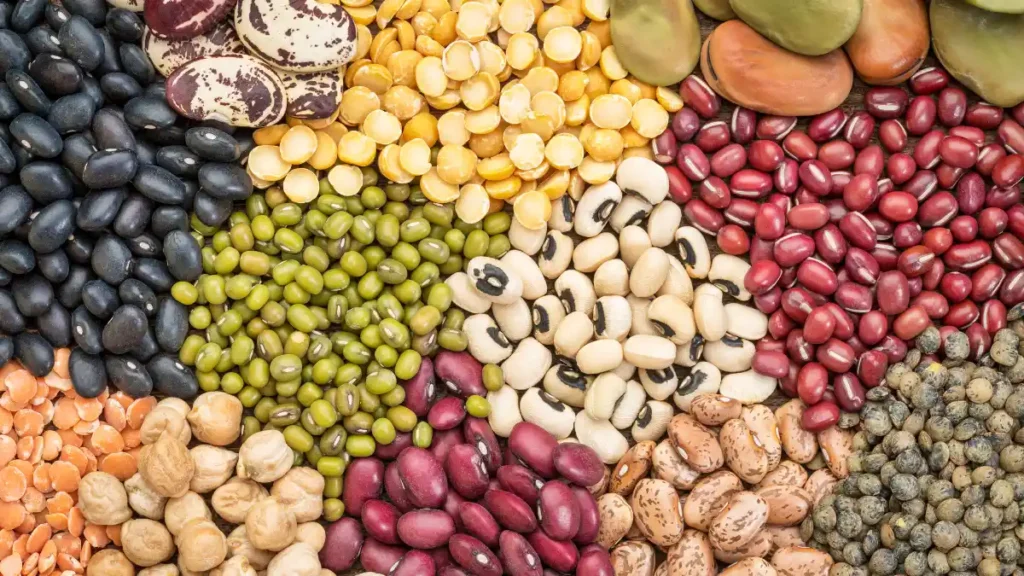
Legumes like lentils, beans, and chickpeas provide an excellent plant-based combination of protein and resistant starch, which enhances metabolism and gut health.
Resistant starch passes undigested into the large intestine, where it acts as a prebiotic, feeding beneficial gut bacteria. A healthy gut microbiome supports nutrient absorption, reduces inflammation, and stabilizes blood sugar levels, all of which are critical for metabolic efficiency.
The protein content contributes to the thermic effect of food, further increasing calorie expenditure during digestion. Adding legumes to soups, stews, salads, or side dishes enhances meal quality while supporting a steady metabolic rate.
By including at least half a cup of legumes in daily meals, individuals can significantly improve metabolic function, gut health, and satiety in a natural, sustainable way.
6. Coffee for a Natural Energy and Calorie Boost

Coffee is one of the most widely consumed beverages globally, and it offers more than just morning alertness—it can also provide a measurable metabolic boost.
The primary active compound in coffee is caffeine, a natural stimulant that activates the central nervous system. When consumed, caffeine increases the release of catecholamines, such as adrenaline, which signal the body to break down stored fat and increase energy expenditure.
Studies suggest that coffee can raise the metabolic rate by 3–11% for a short period, making it easier for the body to utilize stored energy and burn calories efficiently. This effect is particularly pronounced when coffee is consumed before physical activity, enhancing both energy and fat oxidation.
Beyond metabolism, coffee can support mental focus, alertness, and endurance, which may indirectly influence daily energy expenditure. Drinking black coffee without sugar, cream, or flavored syrups maximizes its metabolic benefits while avoiding unnecessary calories.
For those looking to manage weight or enhance fat burning, incorporating one to two cups of coffee in the morning or before exercise can help maintain steady energy levels and increase the body’s calorie-burning potential.
Additionally, coffee contains antioxidants, such as chlorogenic acid, which support overall health and may further enhance metabolic efficiency.
7. Green Tea to Support Fat Burning

Green tea is another metabolism-supportive beverage, widely consumed in the USA, UK, and around the world for its gentle stimulation and health-promoting properties
. While it contains a modest amount of caffeine, most of its metabolic benefits come from EGCG (epigallocatechin gallate), a powerful antioxidant that enhances fat oxidation.
EGCG works synergistically with caffeine to increase the number of calories the body burns and improve the efficiency of using stored fat for energy. Regular consumption of green tea has been linked to modest reductions in body fat, improved insulin sensitivity, and enhanced metabolic function over time.
For those seeking a natural, sustainable way to optimize metabolism and maintain a healthy weight, green tea is an excellent, versatile option that combines gentle stimulation with significant health benefits.
8. Chili Peppers for a Spicy Calorie Kick

Chili peppers are well known for their spicy flavor, which comes from the compound capsaicin. Capsaicin has thermogenic properties, meaning it can slightly increase body temperature and, in turn, the number of calories the body burns as it works to cool down.
This process is a form of calorie expenditure that can contribute to overall metabolic activity, even if modestly. In addition, research has shown that capsaicin may help suppress appetite in some individuals, reducing cravings and overall calorie intake.
The effect may seem small on a single meal basis, but consistently adding small amounts of chili peppers or cayenne to meals can create a measurable impact over time.
Adding a pinch to soups, stir-fries, roasted vegetables, or even eggs can provide flavor and metabolic benefits without adding calories. Beyond metabolism, capsaicin also has anti-inflammatory properties, supporting overall cardiovascular and digestive health.
9. Ginger to Warm Up Your Metabolism

Ginger contains gingerol, a bioactive compound that contributes to its warm, slightly spicy flavor and thermogenic properties. Like chili peppers, ginger can create a mild rise in body temperature, prompting the body to expend more energy during digestion and absorption.
Beyond its thermogenic effect, ginger supports digestion by stimulating gastric juices, which aids in breaking down food more efficiently.
Improved digestion and nutrient absorption are crucial for maintaining a healthy metabolism because poorly digested foods can lead to inflammation, bloating, and impaired energy utilization.
Additionally, ginger has been shown to help stabilize blood sugar levels, preventing spikes and crashes that can lead to increased hunger or fat storage.
Consuming ginger in various forms—such as fresh slices in tea, warm ginger water with lemon, or grated in cooking—can provide consistent metabolic support. Regular intake of ginger may also reduce inflammation in the body, supporting long-term metabolic health, cardiovascular function, and digestive efficiency.
For those looking to enhance calorie burning naturally while promoting gut health, ginger is a simple, versatile option.
10. Apple Cider Vinegar to Stabilise Blood Sugar

Apple cider vinegar (ACV) is known for its ability to help stabilize blood sugar, particularly after meals rich in carbohydrates.
Its active component, acetic acid, slows the breakdown of starches into sugars, preventing sudden spikes in glucose levels. Stable blood sugar is critical for metabolism because fluctuating insulin levels can lead to fat storage and decreased energy utilization.
By helping maintain insulin sensitivity, ACV indirectly supports more efficient calorie burning and fat metabolism.
In addition to blood sugar regulation, ACV can contribute to a feeling of fullness, which may reduce overall calorie intake during a meal.
Many people incorporate ACV by mixing one tablespoon with a glass of water and drinking it before their largest meal. This simple practice can enhance satiety, improve digestive function, and support long-term weight management.
While ACV does not directly “burn fat,” its impact on blood sugar and appetite control makes it a useful tool in a metabolism-friendly diet.
11. Seaweed for Thyroid and Metabolic Health

Seaweed, including varieties such as nori, kelp, and dulse, is a rich source of iodine, a mineral essential for thyroid hormone production.
The thyroid produces hormones like T3 and T4 that regulate basal metabolic rate, essentially controlling how efficiently the body converts calories into energy.
Without sufficient iodine, thyroid function can slow down, leading to reduced metabolic efficiency, fatigue, and potential weight gain. In addition to iodine, seaweed provides fiber and minerals that support digestive health and overall wellness.
Regular consumption of seaweed can help maintain thyroid health and ensure proper hormonal regulation of metabolism.
Simple ways to incorporate it include roasted seaweed snacks, adding nori strips to salads, soups, or sushi rolls, or mixing powdered kelp into broths.
Alongside other iodine-rich foods, seaweed supports consistent energy levels, metabolic efficiency, and overall nutritional balance. Its combination of essential minerals, low calorie content, and fiber makes it a convenient, metabolism-supportive food for daily use.
12. Brazil Nuts: Selenium for Your Thyroid
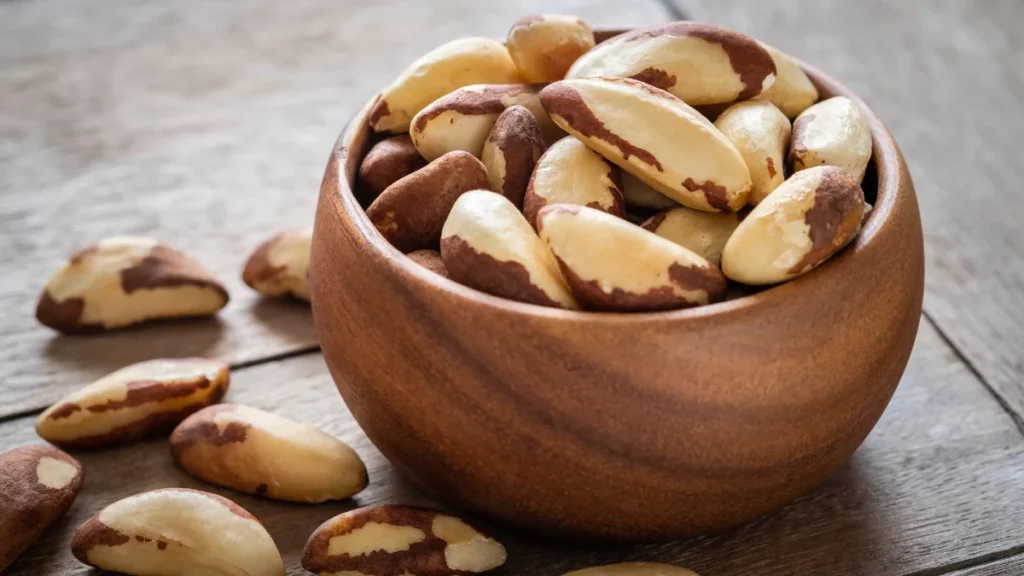
Brazil nuts are one of the richest natural sources of selenium, a mineral vital for thyroid function and metabolism.
Selenium helps convert T4, the inactive thyroid hormone, into T3, the active hormone that drives metabolic processes, including energy expenditure and fat utilization.
Adequate selenium intake supports thyroid health, improves antioxidant defenses, and reduces inflammation, all of which are important for maintaining an efficient metabolism. Because selenium is highly concentrated in Brazil nuts, just one or two nuts per day are enough to meet daily requirements.
It is important to consume Brazil nuts in moderation because excessive selenium intake can lead to toxicity.
Despite their small serving size, Brazil nuts are a nutrient-dense way to support thyroid function and, in turn, metabolic efficiency. Incorporating them as a snack, chopped into oatmeal or yogurt, or blended into smoothies provides a simple, natural boost to daily selenium intake.
Their combination of essential minerals, healthy fats, and trace nutrients makes them a strategic addition to a metabolism-supportive diet.
13. MCT Oil from Coconut for Quick Energy

Medium-chain triglyceride (MCT) oil, derived primarily from coconuts, consists of fats that are rapidly absorbed and transported to the liver, where they are converted into energy rather than stored as body fat.
This rapid conversion creates a higher thermic effect compared to other fats, meaning the body expends more calories processing MCTs. Additionally, MCTs provide a quick and clean source of energy, which can enhance mental focus and physical performance, particularly when consumed in the morning or before exercise.
Introducing MCT oil gradually is important to avoid digestive discomfort. It can be added to coffee, smoothies, or salad dressings to provide sustained energy and metabolic support.
While MCT oil is not a miracle fat-burner, its ability to increase calorie expenditure and promote the use of fat for energy makes it a valuable addition to a metabolism-friendly diet.
Consistent use, paired with a balanced diet and regular activity, can improve energy levels, fat utilization, and overall metabolic efficiency.
14. Fermented Foods to Nourish Your Gut

Fermented foods such as kimchi and sauerkraut contain live probiotics that help maintain a healthy gut microbiome.
A balanced gut microbiome plays a crucial role in regulating digestion, reducing inflammation, stabilizing blood sugar, and supporting the body’s metabolic processes.
Since heat destroys probiotics, these foods are best consumed cold, preserving the live bacterial content. Incorporating fermented foods regularly can enhance nutrient absorption, promote digestive comfort, and indirectly support metabolism through improved gut health.
In addition to digestive benefits, fermented foods can improve immune function, reduce inflammation, and support steady energy levels.
Adding small servings to meals, such as a spoonful of kimchi with rice or a side of sauerkraut with protein-rich dishes, provides both flavor and health benefits.
Regular intake of fermented foods strengthens gut-driven metabolic support, improves satiety, and contributes to long-term weight management and overall metabolic efficiency. For anyone aiming to optimize metabolism naturally, fermented foods are a simple, practical, and highly effective addition to a daily diet.
15. Water (Cold) to Keep Your Metabolism Running

Water is the most overlooked metabolism booster of all. Every metabolic process requires hydration, and even slight dehydration can slow down the body’s calorie-burning functions.
Drinking plenty of water keeps these processes efficient. Choosing cold water adds a small metabolic advantage because the body must burn calories to warm it to core temperature.
Drinking a large glass of water before meals supports both hydration and appetite control.
Small daily choices add up to real change. Swap, sprinkle, sip, and stir these fifteen foods into your routine, and you’ll turn every meal into an opportunity to burn more calories — no gym required. Your metabolism will thank you.
the london edits