

“12 Surprising Hacks to Stop Sugar Cravings”(Science-Backed, 2025 Research)
That 3 PM slump hits hard. The stomach feels fine, yet the mind fixates on something sweet with an almost unbearable intensity.
Many people assume this struggle stems from weak willpower, but the truth lies deeper in biology. Modern science reveals that sugar cravings arise from gut microbes, hormones, sleep patterns, and learned habits rather than a simple lack of discipline.
Fortunately, new 2025 research offers practical, evidence-based strategies that address the root causes and help people break free from sugar’s grip permanently.
1. Feed Your “Craving-Control” Gut Bacteria

Emerging research published in Nature Microbiology (2025) shows that a beneficial bacterium called Bacteroides vulgatus produces compounds that signal the liver and brain to feel satisfied after eating.
Individuals with lower levels of this microbe experience stronger sugar cravings because the “stop” signal never fully arrives. Although this bacterium cannot be consumed directly, its growth can be encouraged through specific foods.
Prebiotic fibers found in garlic, onions, asparagus, and bananas act as fuel for these helpful microbes.
Polyphenol-rich options such as berries, high-quality dark chocolate, and green tea further support their population and strengthen the body’s natural defenses against sweet cravings.
2.Start Your Day with Protein for a Lasting Reward
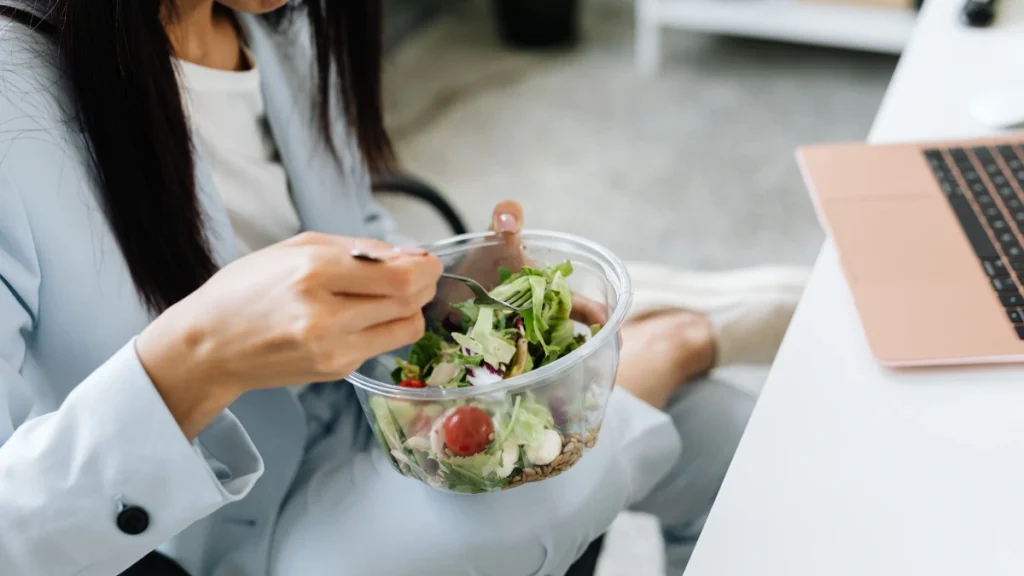
Sugar delivers a rapid dopamine hit, which explains why the brain keeps searching for it during the afternoon.
Studies confirm that 20–30 grams of protein at breakfast produces a similar but longer-lasting reward response in the brain, reducing the urge to seek quick sugar fixes later.
Greek yogurt topped with nuts, eggs paired with avocado, or a tofu scramble provide steady satisfaction that lasts for hours and prevents the classic post-lunch crash common in offices across the US and UK.
3.Pair Your Treats with a “Sugar Buddy”
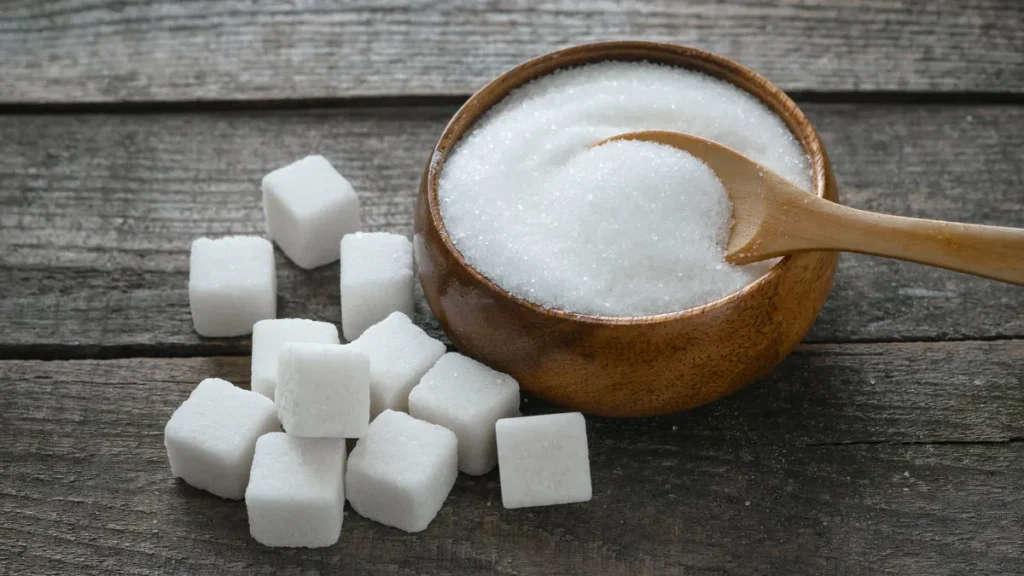
Eliminating sugar completely can often create stronger cravings, making people more likely to binge later. A far more effective method is pairing sugary foods with something that slows the body’s absorption of sugar.
When sugar is eaten alone, it causes a sharp blood sugar spike followed by a crash, which then triggers even more cravings. If you eat that same treat alongside fiber, protein, or healthy fats, your body digests it more slowly, and your blood sugar remains stable.
Enjoying chocolate with almonds or pairing a slice of cake with protein-rich yogurt creates a “chaperone effect” that prevents the crash and reduces the biological drive for more sugar.
4. Rethink Artificial Sweeteners in Diet Drinks

Many people in the US and UK rely on diet sodas to satisfy sweet cravings without consuming actual sugar, but research shows that artificial sweeteners can have the opposite effect.
Because they provide an intensely sweet taste without calories, they confuse the brain’s reward system.
Your brain expects energy after detecting something sweet, and when it doesn’t receive any, it may intensify cravings for real sugar to “correct” the imbalance.
Reducing artificial sweeteners for even a week can noticeably decrease sugar cravings.
Replacing diet sodas with sparkling water flavored with real fruit or using herbal teas helps reset your taste buds and restore the body’s natural appetite cues.
5. Prioritise Quality Sleep, Not Just Quantity

Sleep has a powerful influence on appetite and cravings. When quality sleep is lacking—even if total hours appear sufficient—the body increases the hormone ghrelin, which stimulates hunger, while lowering leptin, the hormone that signals fullness.
New 2025 research shows that sleep efficiency, meaning how much of your time in bed is spent actually sleeping, plays a bigger role in sugar cravings than total sleep time.
Even eight hours in bed won’t help if you toss and turn. A cool, dark, quiet bedroom, consistent bedtime, and limited screen exposure before sleep can improve efficiency and stabilize hunger hormones, making cravings far easier to control.
6. Use a Hot Bath to Calm Cravings

One of the most unexpected strategies for reducing sugar cravings involves heat. A small UK study found that spending an hour in a hot bath at approximately 40°C (104°F) can lower blood sugar levels by improving the body’s ability to manage glucose.
This passive heating creates a soothing, calming effect on the nervous system and reduces inflammation, similar to the benefits of light exercise.
When an evening craving hits, taking a hot bath or shower interrupts the routine that leads to snacking and simultaneously supports better blood sugar balance.
This combination of relaxation and physiological improvement helps weaken habitual cravings.
7. Take a 5-Minute Mindful Pause

Cravings often stem from routine rather than hunger. Your brain becomes conditioned to expect sugar at certain times or during certain activities.
Mindfulness disrupts this automatic habit loop by creating a small but powerful gap between the urge to eat and the action of eating. When a craving appears, pausing for five minutes and simply observing the feeling—without resistance—weakens its intensity.
Paying attention to where the craving feels strongest in your body and noticing how it changes allows your brain to separate desire from action. By the time the pause ends, cravings often lose much of their power.
8. Go for a Quick 10-Minute Walk

A short, brisk walk has been proven to significantly reduce sugar cravings. Physically, your muscles use available glucose during a walk, helping stabilize blood sugar and decreasing the biological drive for sweetness.
Mentally, the simple act of stepping away from your environment interrupts the craving pattern, especially if you normally turn to sugar during moments of boredom or stress.
A ten-minute walk before deciding whether to indulge gives your mind and body a chance to reset. In most cases, the craving feels noticeably weaker by the time you return.
9. Chew Mint or Cinnamon Gum to Distract Yourself
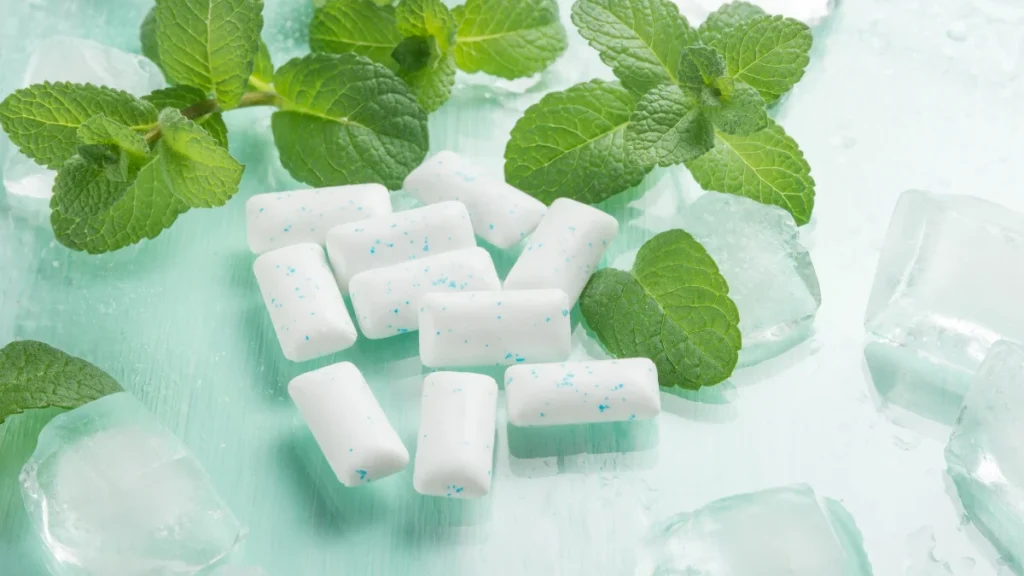
The sensory shift created by strong mint or cinnamon gum acts as a fast and practical craving deterrent. The intense flavor resets your taste buds and makes sugary foods taste less appealing immediately afterward.
At the same time, the act of chewing signals to the brain that you are consuming something, which can reduce the feeling of wanting more food.
This simple action creates both a physiological and psychological interruption that helps break the immediate desire for sweets.
10. Hydrate Before Hunger Hits

The brain areas responsible for hunger and thirst are closely linked, and mild dehydration can be mistaken for hunger or cravings. When the body is slightly dehydrated, it may prompt the desire for quick energy—often in the form of sugar.
Drinking water consistently throughout the day helps regulate appetite signals. When a craving appears, having a full glass of water and waiting ten minutes can reveal whether the body was actually asking for hydration.
ln many cases, the craving fades naturally once your hydration levels return to normal.
11. Swap to a “Smart Sweet” That Works with You
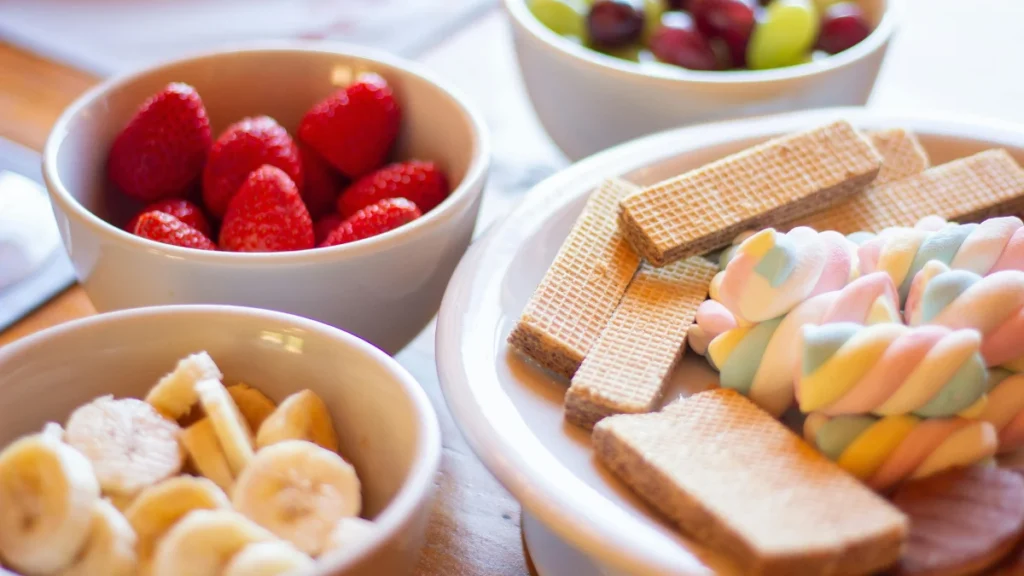
When the desire for something sweet is unavoidable, choosing a healthier alternative prevents the spike-and-crash cycle caused by sugary candy or baked goods. “Smart sweets” are foods that taste sweet but contain nutrients like fiber, protein, or healthy fats that slow digestion and support blood sugar stability.
Dark chocolate with a high cocoa percentage, fiber-rich berries, or naturally sweet foods like baked sweet potatoes can satisfy the sweet tooth while offering nourishment. Keeping these options easily accessible makes healthier choices feel effortless.
12. Spot Your Triggers and Redirect Your Habits

Sugar cravings are often emotional responses rather than physical hunger. The body learns to associate sugar with comfort, reward, distraction, or routine.
Stress raises cortisol levels, which encourages the body to seek quick energy. Boredom can prompt a search for stimulation. Fatigue leads the brain to crave fast fuel. Keeping a simple three-day craving log helps identify patterns by noting the time, emotion, and situation each time a craving appears.
Once triggers become clear, you can replace the habit with a healthier routine, such as a short walk for stress relief or a quick activity to break boredom.
Conclusion
Sugar cravings are not a sign of weakness. They are the result of a complex blend of gut signals, hormones, brain chemistry, and repetitive habits.
With the right strategies, you can finally take control of them without relying on restrictive diets or unrealistic willpower.
Start with one approach—perhaps a protein-rich breakfast or a mindful pause—and build from there. When you understand the true root causes behind your cravings, you unlock the ability to conquer them for good and develop a healthier, more balanced relationship with food.
The London EDITS