

11 Everyday Foods That Trigger Chronic Inflammation (Plus Fast, Simple Swaps)
If you wake up feeling stiff, exhausted, or notice your rings fit tighter some mornings even though nothing dramatic changed, chronic inflammation could be the hidden culprit.
This low-grade, persistent fire inside the body drives everything from heart disease and diabetes to brain fog and joint pain, and the scariest part is that most of it comes from foods we eat every single day without suspicion.
The good news? Once you know exactly which common items fuel that fire, you can replace them with smarter choices and feel the difference in weeks, not months.
Understanding Chronic Inflammation and Why It Matters So Much Today
To understand why these foods cause so much damage, you need to know the difference between healthy and harmful inflammation. Acute inflammation happens when your body heals a wound or fights an infection—it’s helpful, short-term, and protective.
Chronic inflammation, on the other hand, is silent, long-term, and extremely destructive. It’s a persistent immune response that never switches off, slowly damaging cells, tissues, and arteries.
The World Health Organization reports that chronic inflammatory diseases contribute to roughly three out of every five deaths worldwide, which shows just how dangerous this slow internal burn can be.
People often overlook common symptoms—constant fatigue, stubborn body pain, brain fog, digestive discomfort, and skin irritation—because they become part of everyday life, but they usually signal inflammation at work beneath the surface.
The 11 Everyday Foods That Feed Chronic Inflammation
Most of these foods look innocent. Many are marketed as convenient, healthy, or “normal” everyday staples in households across the USA and UK. But once you know how they affect your body, you’ll never look at them the same way again.
1. Sugary Drinks

Sugary drinks are one of the fastest ways to trigger inflammation because they deliver a massive, concentrated dose of sugar to your bloodstream within minutes.
Whether it’s soda, sweet tea, or “healthy” fruit juice, the effect is the same: your liver becomes overwhelmed and quickly converts excess sugar into fat, which leads to fatty liver and systemic inflammation.
Research consistently shows that these drinks raise C-reactive protein (CRP), a major marker of inflammation.
Replacing them with sparkling water infused with lemon or berries, or unsweetened green tea, is a simple change that dramatically reduces inflammatory load.
2. Refined Carbs

Refined carbs—white bread, crackers, pastries, and most boxed cereals—are stripped of fiber and nutrients, so your body digests them like pure sugar.
They cause rapid blood sugar spikes followed by crashes, triggering inflammatory responses.
These foods also produce Advanced Glycation End Products, or AGEs, compounds that accelerate aging and inflammation.
Swapping them for real whole grains like quinoa, oats, or authentic sourdough helps keep blood sugar stable and reduces inflammation.
3. Processed Meats

Processed meats such as hot dogs, bacon, and deli slices remain some of the most powerful inflammatory triggers found in everyday diets across both the United States and the United Kingdom.
These products often contain high levels of saturated fats, preservatives such as nitrates, and harmful chemical byproducts formed during high-heat cooking.
The World Health Organization classifies processed meat as a Group 1 carcinogen because of strong evidence linking it to colon cancer, largely through inflammatory pathways.
When consumed regularly, these meats place significant stress on the digestive system and immune response, creating an environment where inflammation becomes chronic rather than occasional.
Making a shift toward fresh protein sources such as pasture-raised chicken, wild-caught fish, or high-quality grass-fed beef can dramatically reduce this inflammatory burden and support better long-term health.
4. Industrial Seed & Vegetable Oils
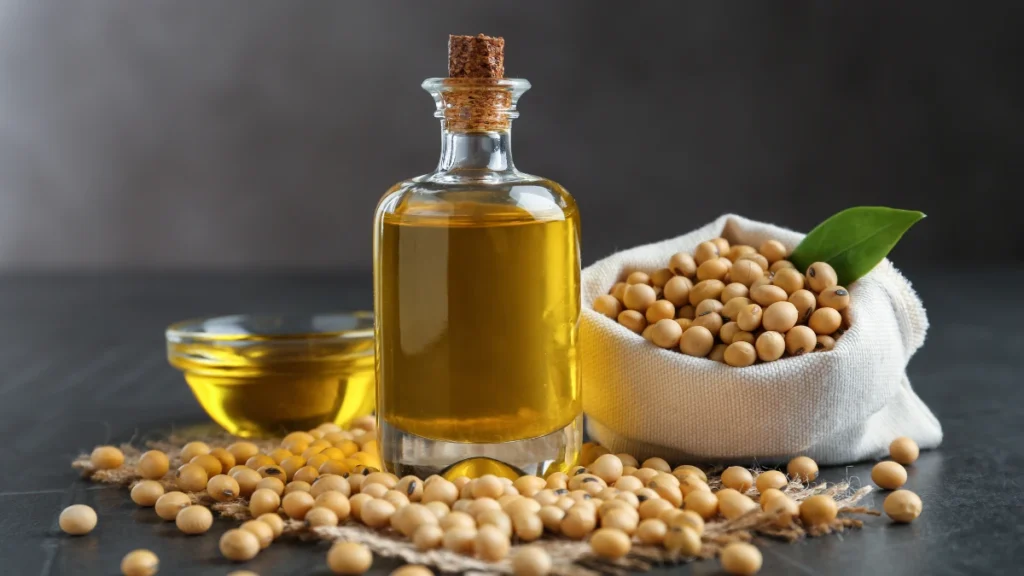
Industrial seed and vegetable oils—including soybean, corn, and cottonseed oil—have quietly become some of the most pervasive ingredients in the modern Western diet. They are found in salad dressings, fried foods, packaged snacks, and nearly every category of convenience food.
The problem is that these oils contain an extremely high concentration of Omega-6 fatty acids, while most people in the US and UK fail to get enough Omega-3s to balance them out. This extreme imbalance drives inflammation throughout the body and disrupts hormonal and metabolic stability.
Because these oils appear in such a wide range of packaged items, avoiding them requires careful label reading and intentional purchasing.
Replacing them with extra-virgin olive oil for cold uses and avocado oil for cooking helps support a healthier fatty acid profile and reduces the chronic inflammatory load created by everyday meals.
5. Hidden Trans Fats

Even though trans fats have been restricted or banned in many countries, they still show up in certain processed foods under the label “partially hydrogenated oils.”
These synthetic fats are particularly harmful because they injure the lining of the arteries, promoting inflammation that contributes directly to cardiovascular disease.
Products such as margarine, certain coffee creamers, and some packaged snacks may still contain these hidden trans fats, especially in budget or ultra-processed items.
Choosing real fats—like small amounts of grass-fed butter or high-quality olive oil—provides a safer alternative and supports a healthier inflammatory response in the body.
6. Excess Alcohol

Regular heavy drinking remains one of the most overlooked triggers of chronic inflammation. Excess alcohol compromises the liver, but it also damages the gut lining, allowing toxins and food particles to leak into the bloodstream.
This process, often referred to as increased intestinal permeability, provokes an aggressive immune reaction that spreads inflammation throughout the entire system.
While moderate consumption may be safe for many adults, consistently crossing that threshold leads to digestive issues, fatigue, skin flare-ups, and metabolic problems.
Individuals who enjoy alcohol can move toward lighter options, such as moderate red wine intake, or experiment with alternatives like kombucha, sparkling water, or citrus-infused drinks to support better gut and liver health.
7. Artificial Sweeteners

Artificial sweeteners like aspartame and sucralose are frequently marketed as harmless, calorie-free substitutes, but emerging research shows that they can interfere with the gut microbiome.
By harming beneficial bacteria and encouraging harmful strains to multiply, these sweeteners create conditions that foster inflammation and digestive imbalances.
Many people in the US and UK report noticeable improvements in digestion, energy, and mental clarity after removing artificial sweeteners from their diet.
Natural substitutes such as monk fruit, stevia, or simply using whole fruit provide sweetness without the inflammatory consequences associated with synthetic sugar replacements.
8. Casein in Dairy

A large number of people in both America and the UK experience bloating, skin breakouts, fatigue, or digestive discomfort after consuming dairy products without realizing what is causing the reaction.
The issue often stems from A1 casein, a protein found in most conventional cow’s milk.
For those who are sensitive, this protein creates digestive irritation that triggers an inflammatory immune response.
Switching to A2 milk, goat milk, or sheep milk for even thirty days can reveal whether standard dairy is contributing to chronic inflammation, and many people report significant improvements once they make the transition.
9. Gluten (For Sensitive Individuals)
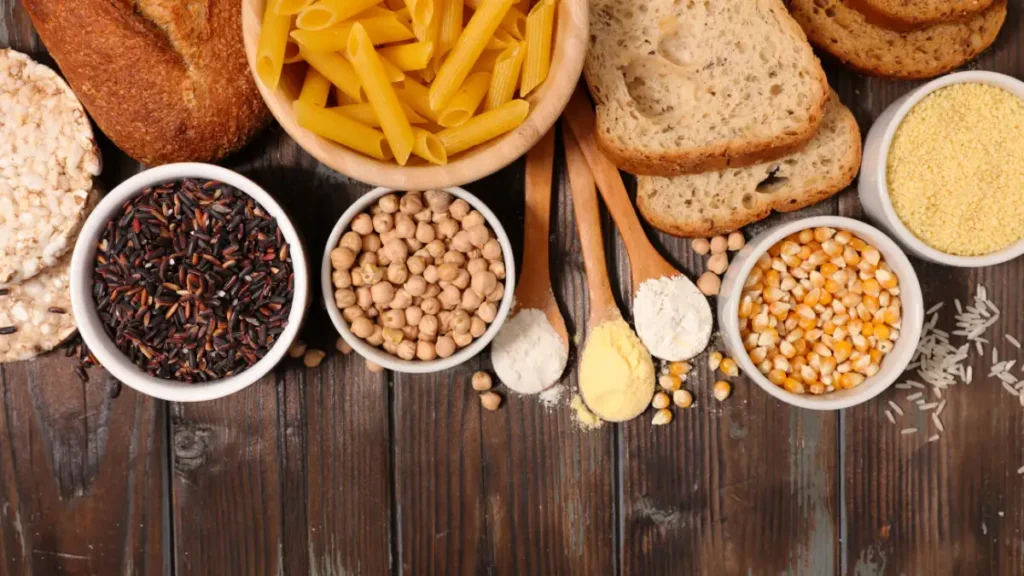
Even individuals who do not have Celiac disease may experience Non-Celiac Gluten Sensitivity, which can cause immune activation, digestive issues, brain fog, headaches, and joint discomfort.
Gluten has been shown to increase intestinal permeability in certain people, allowing inflammatory signals to spread throughout the body.
A temporary elimination period is often enough to determine whether gluten is contributing to inflammation.
Whole-food alternatives like potatoes, rice, and quinoa provide simple, nourishing replacements that help maintain balanced energy levels without triggering sensitive digestive systems.
10. Artificial Additives

Many modern packaged foods contain artificial additives designed to enhance color, taste, texture, or shelf life.
Ingredients such as MSG, artificial dyes, and carrageenan—commonly found in plant-based milks—can irritate the digestive lining and disrupt the gut microbiome.
For sensitive individuals, these additives provoke inflammatory reactions that show up as skin issues, digestive discomfort, headaches, or fatigue.
Choosing products with clean, simple, real-food ingredient lists reduces these hidden sources of inflammation and supports a healthier gut environment.
11. Ultra-Processed Foods

Ultra-processed foods, which dominate supermarket shelves in both the USA and the UK, combine nearly every inflammatory trigger into a single product.
These items often rely on refined carbohydrates, industrial seed oils, artificial additives, preservatives, sweeteners, and flavor enhancers to create cheap, hyper-palatable meals. Frozen dinners, instant noodles, packaged snacks, sugary breakfast cereals, and many convenience foods fall into this category.
A significant 2024 review published in The BMJ linked high consumption of ultra-processed foods to more than thirty negative health outcomes, with chronic inflammation acting as a core mechanism behind these conditions.
One of the simplest ways to avoid ultra-processed foods is to choose items with fewer than five ingredients that are recognizable and minimally altered. This small shift immediately reduces inflammatory load and promotes better metabolic, digestive, and immune health.
How to Switch to an Anti-Inflammatory Lifestyle Without Feeling Deprived
You don’t need to empty your kitchen overnight. The easiest, most sustainable way forward focuses on adding powerful anti-inflammatory foods first. When you fill your plate with wild salmon, dark leafy greens, berries, extra-virgin olive oil, and turmeric, the inflammatory foods naturally get crowded out.
Aim for the 80/20 approach popular across the US and UK wellness communities: keep 80 % of your meals whole and healing, and the occasional 20 % treat won’t derail your progress.
Start today with one simple swap from the list above. Your body will thank you with more energy, clearer skin, sharper thinking, and joints that move like they used to. Chronic inflammation doesn’t have to be part of modern life; small, smart changes to everyday foods can put that fire out for good.