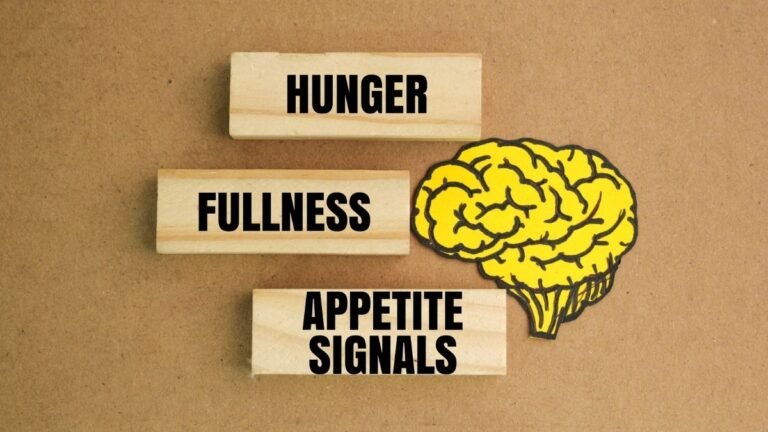

Why Somatic Healing Is Blowing Up (And Therapists Are Losing It)
Your therapist may have mentioned somatic work, your social feeds may be filled with breathwork clips, and celebrities may be revealing body-based healing as their secret breakthrough tool.
This isn’t a random wellness moment; somatic healing has rapidly moved from a niche trauma-therapy method into a mainstream cultural phenomenon.
What once lived only inside specialized treatment centers now appears in corporate wellness programs, doctors’ offices, and homes around the world.
Unlike many trendy self-help practices that fade fast, somatic healing brings decades of scientific research that supports its impact on stress, trauma, and emotional well-being.
This rise in popularity stems from people recognizing something important: mental health isn’t confined to thoughts. It shows up in heart rate, breathing patterns, muscle tension, and physical sensations just as much as in emotions or beliefs.
Somatic healing addresses the connection between body and mind, helping individuals regulate their nervous system, process stored stress, and feel grounded in their physical selves.
This body-first method has resonated with millions who discovered that understanding their trauma isn’t always enough—sometimes the body needs to release it.
What Exactly Is Somatic Healing?

Somatic healing simply means body-centered healing. The body holds memories of every overwhelming experience in muscle tension, breathing patterns, heart rate changes, and even chronic pain.
Many people can describe their trauma perfectly yet still feel anxious, numb, or on edge because the nervous system remains stuck in survival mode.
Somatic practices reverse the usual direction: instead of working from thoughts down to the body, practitioners start with present-moment body sensations and let safety rebuild from there.
Popular approaches include Somatic Experiencing, developed by Peter Levine after observing how wild animals naturally discharge shock, sensorimotor psychotherapy, trauma-informed yoga, and structured breathwork.
None of these methods require people to retell every detail of painful events. When the body begins to feel safe, the mind often processes the past more gently and effectively than forced recollection ever allowed.
By strengthening body awareness, encouraging gentle movement, and using intentional breathing, this approach helps the body release tension and regain a sense of safety. It allows emotional processing to happen more naturally because the body finally stops signaling danger.
The Science That Makes It Work
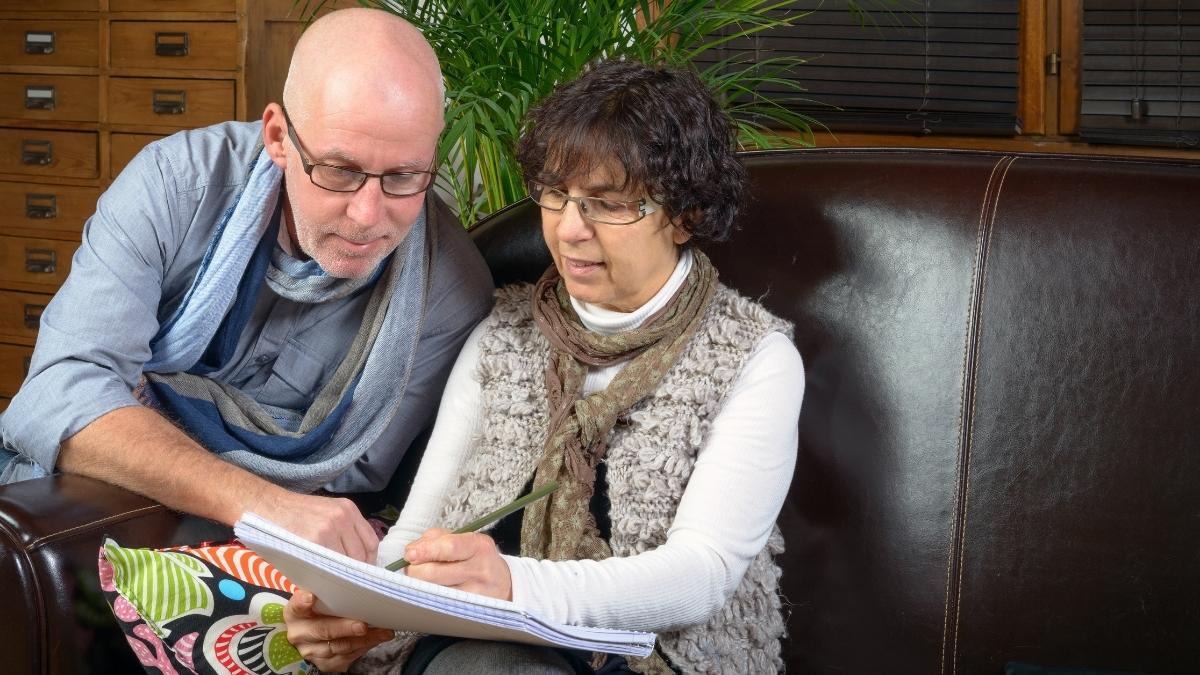
Modern research confirms that the nervous system plays a central role in how trauma and chronic stress affect the body. Polyvagal Theory, developed by Stephen Porges, demonstrates that the body constantly shifts between states of safety, threat, and shutdown.
When someone feels safe, the nervous system allows them to think clearly, communicate well, and stay balanced. When danger is sensed, the body prepares to fight or flee.
If escape feels impossible, the system may freeze or shut down. Trauma often traps people in these defensive modes long after the actual threat has ended.
Somatic healing helps shift these states by teaching the body new ways to respond.
Studies referenced in Bessel van der Kolk’s research, including his well-known work “The Body Keeps the Score,” show that trauma influences muscles, breathing patterns, and even how organs regulate stress hormones.
Because these reactions occur below conscious awareness, talking alone cannot always change them.
Somatic techniques work “bottom-up,” meaning they influence the nervous system directly through breathing, movement, and sensory awareness.
This approach supports neuroplasticity, the brain’s ability to form new pathways, allowing individuals to re-train their stress responses and build healthier patterns.
Why 2025 Became the Tipping Point

The pandemic forced people in the US, UK, and worldwide to slow down and pay attention to their bodies in ways they hadn’t before. Long periods at home highlighted physical signs of stress—tight shoulders during online meetings, difficulty breathing during uncertainty, and constant internal tension.
These body-based symptoms made people realize that mental health is inseparable from physical sensation. As traditional talk therapy alone didn’t ease these symptoms for everyone, people looked for methods that targeted the body directly.
Workplaces also noticed the impact of burnout on productivity and began offering somatic programs as preventative care.
At the same time, health professionals increasingly recommend body-based techniques because research has become more mainstream.
Somatic healing became popular precisely because it offers something people can feel immediately: calm.
Traditional therapy waiting lists grew longer while social media delivered free breathwork and body-scan videos directly to phones. People discovered they could lower panic in minutes without an appointment.
Celebrities and influencers openly credited somatic work for breakthroughs, workplaces from Silicon Valley to the City of London added nervous-system regulation to wellness budgets, and progressive doctors began recommending body-based practices instead of automatically reaching for another prescription.
Accessibility, evidence, and perfect timing collided. Suddenly everyone from busy mothers in Manchester to executives in Manhattan had tools they could use anywhere, anytime.
Common Somatic Healing Techniques You Can Try

Somatic healing doesn’t require complex routines or equipment; beginners can start with simple practices that help reconnect the body and mind.
Breathwork is one of the easiest entry points because slowing the breath guides the nervous system out of stress mode.
Techniques such as box breathing or slow even-paced breathing create a sense of safety inside the body by lowering heart rate and regulating oxygen flow.
Many people feel noticeable relief within minutes, which makes breathing practices a practical tool for stressful moments, sleepless nights, or busy workdays.
Body scans and gentle movement also help build awareness of how tension and emotions show up physically.
A slow scan from head to toe helps individuals notice areas of discomfort, numbness, or tightness they usually ignore. When paired with simple motions like shoulder rolls, soft stretching, or light shaking of the arms, the body begins releasing stress that has been held unconsciously.
Self-massage and grounding techniques deepen this process by helping the body settle into the present moment.
These beginner methods form the foundation of somatic healing and prepare the nervous system for deeper work if someone eventually chooses professional guidance.
Five minutes daily reveals patterns most never knew existed, such as a clenched jaw that relaxes once noticed.
Who Should Consider Somatic Healing (And Who Shouldn’t)
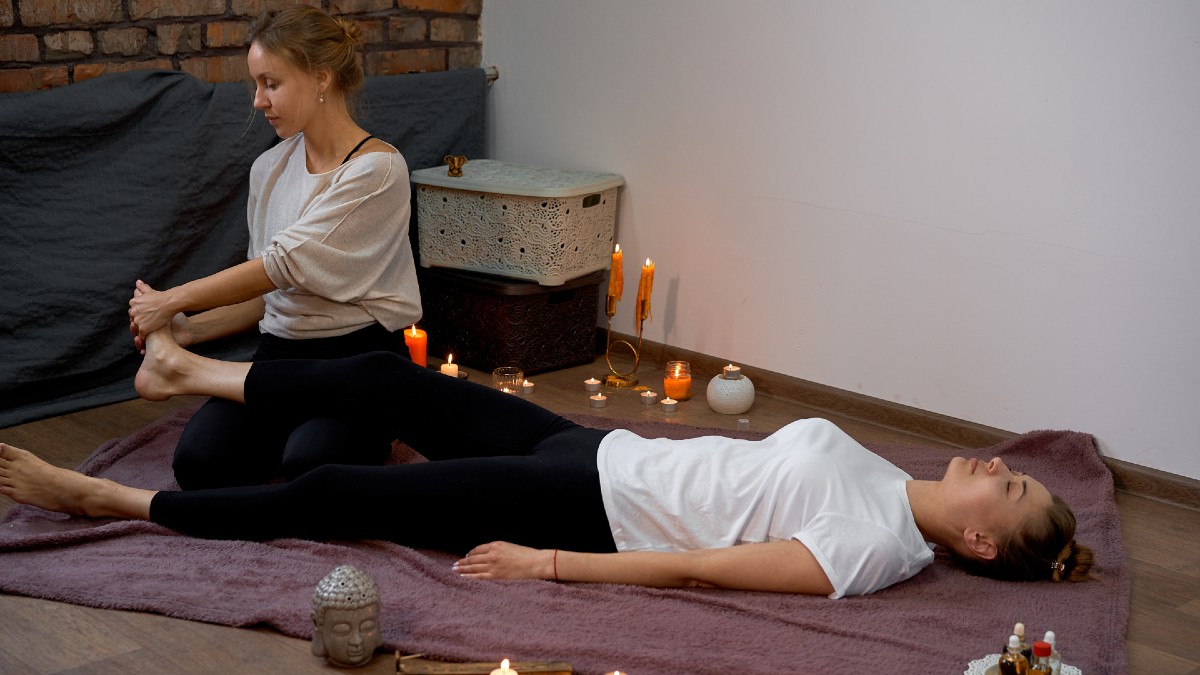
Somatic healing benefits a wide range of people, especially those who understand their trauma intellectually yet still feel anxiety, panic, or physical discomfort.
Individuals dealing with stress that expresses itself through pain, tension, stomach issues, or rapid heartbeat often find relief because somatic work reduces reactions that are difficult to control thoughts alone.
People with childhood trauma or long-term stress also respond well because many early experiences occurred before they had the ability to verbalize emotions, and their bodies learned to cope in protective ways.
However, somatic healing isn’t ideal for everyone without support. People experiencing active psychosis, severe instability, or unsafe home situations may find body awareness overwhelming.
Those with eating disorders, addiction, or medical conditions affecting breathing or the heart should approach somatic practices carefully and ideally with professional supervision.
Although simple techniques are generally safe, deeper somatic therapy should be guided by a trained practitioner when trauma symptoms are intense or unpredictable.
Noticing five things seen, four things touched, three things heard, two things smelled, and one thing tasted pulls attention outward and downward.
How to Begin Safely in 2025
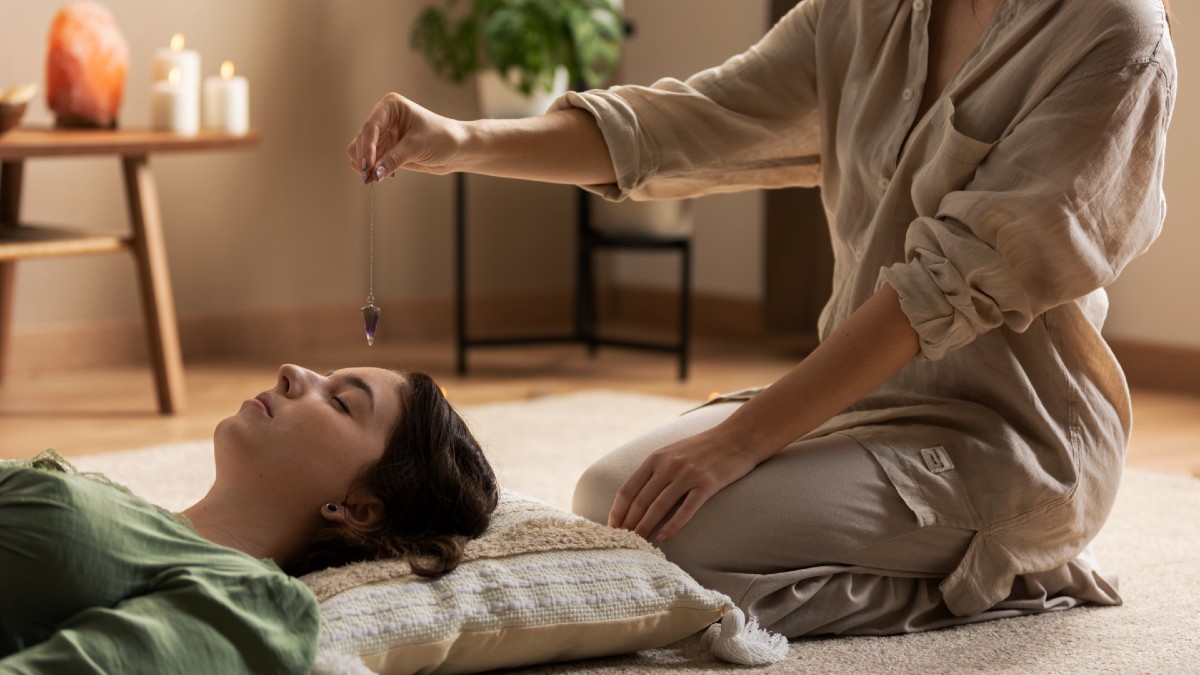
The safest way to begin somatic healing is to start slowly with gentle practices, giving the body time to adjust.
Spending just a few minutes a day on breathing or simple body awareness helps build a foundation without overwhelming the nervous system.
Some people may initially feel numb or disconnected, and this is normal because the body often shuts down sensation when it has been under stress for a long time.
Consistency matters more than duration, and the goal is simply to notice sensations without judgment or pressure.
For those seeking professional help, proper training matters. Therapists certified in Somatic Experiencing, Sensorimotor Psychotherapy, or similar modalities understand how to guide clients safely through deeper emotional releases.
It’s important to work with someone who respects boundaries, explains their approach clearly, and prioritizes emotional safety.
Combining somatic work with regular therapy or medical care enhances results by supporting both the mind and body.
As the practice becomes more familiar, individuals can explore books, online classes, or supportive communities that focus on trauma-informed movement and nervous-system education.
Red flags include promises of instant cures or pressure to continue practices that feel wrong.
Conclusion
Somatic healing continues to grow in popularity because it offers a grounded, research-supported approach to understanding the connection between body and mind.
The science behind nervous system regulation, trauma patterns, and neuroplasticity explains why so many people experience meaningful changes when they learn how to calm their bodies.
The cultural shift toward wellness, the accessibility of online education, and the shared global stress of recent years all contributed to its rise across the US and UK.
Starting with simple practices such as breathing exercises and body awareness can make a noticeable difference in daily stress and emotional balance.
For individuals with deeper trauma histories, working with a trained professional provides guidance and safety throughout the process. Whether used alone or alongside traditional therapy, somatic healing offers a powerful path toward feeling grounded, supported, and connected within the body.